Build Your Dream Website – with Website Wala



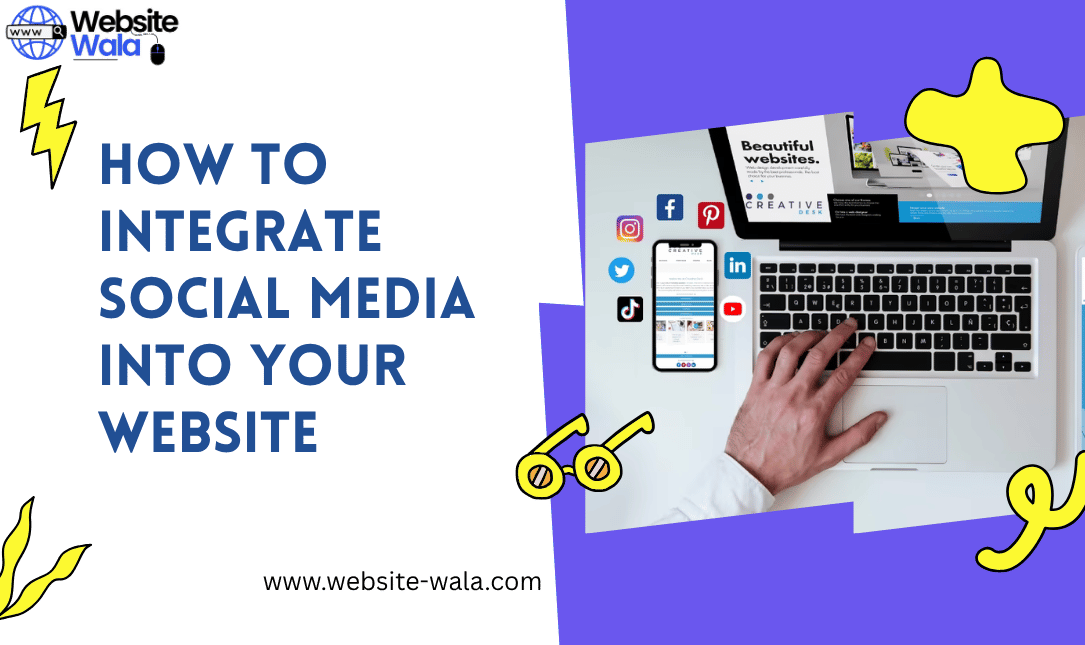
Learn how to integrate social media into your website effectively to boost engagement, increase traffic, and strengthen your online presence.
Introduction
In today's digital age, businesses cannot ignore the power of social media. Integrating social media with your website can transform your online presence, enhance your digital marketing efforts, and foster a stronger connection with your audience. Understanding how to integrate social media into your website is crucial for brands looking to increase traffic, engage audience, and build lasting relationships with customers. This guide explores practical strategies and actionable tips for seamless social media integration.
Why Social Media Integration Matters
Social media integration is more than just adding share buttons to your website. It creates a cohesive experience between your website and social media platforms, allowing visitors to interact with your content effortlessly. By linking your website with social media:
-
You improve audience connection, making it easier for users to follow, share, or comment on your content.
-
Your digital marketing efforts become more effective as you leverage multiple channels.
-
You can increase traffic to your website by encouraging visitors to explore more content.
Investing in website integration with social media helps businesses stay competitive and relevant in the fast-paced world of digital marketing.
Key Social Media Platforms to Consider
When planning how to integrate social media into your website, it’s essential to identify which social media platforms resonate most with your target audience. Popular platforms include:
-
Facebook: Ideal for sharing updates, videos, and event promotions.
-
Instagram: Perfect for visual storytelling and brand aesthetics.
-
Twitter/X: Excellent for real-time engagement and news updates.
-
LinkedIn: Best for B2B marketing and professional networking.
-
Pinterest: Useful for businesses focusing on visual inspiration and e-commerce.
Selecting the right platforms ensures your social media marketing aligns with your website strategies and reaches the intended audience effectively.
How to Integrate Social Media into Your Website: Step-by-Step
-
Add Social Sharing Buttons
The simplest form of website integration is including social sharing buttons on blog posts, product pages, and landing pages. These buttons allow users to share your content on their favorite social media platforms, amplifying reach and engagement. -
Embed Social Media Feeds
Displaying live feeds from Facebook, Instagram, or Twitter directly on your website can improve audience connection. Users can view your latest posts without leaving your site, increasing time spent on your pages and promoting ongoing interaction. -
Incorporate Follow Buttons
Adding follow buttons encourages visitors to engage with your brand on social media. Strategically placing these buttons in headers, footers, or sidebars ensures visibility and helps grow your social media following. -
Enable Social Login Options
Allowing users to sign up or log in using social media accounts simplifies the registration process. This method not only enhances user experience but also collects valuable social data that can inform your digital marketing efforts. -
Leverage Social Proof
Displaying reviews, testimonials, or user-generated content from social media channels builds trust and credibility. Integrating social proof into your website strengthens your online presence and motivates new visitors to engage. -
Use Social Media Widgets
Widgets, such as Instagram galleries or Twitter timelines, create interactive sections on your website. These tools make social media integration more dynamic and visually appealing.
Best Practices for Effective Integration
-
Maintain Consistency: Ensure your branding, tone, and visuals are uniform across your website and social media platforms.
-
Optimize for Mobile: Most users access social media via mobile devices. Responsive website integration improves user experience and engagement.
-
Analyze Performance: Use analytics tools to track how social media content impacts website traffic and engagement. This data informs your website strategies and digital marketing decisions.
-
Engage Audience Regularly: Keep your feeds fresh with regular updates to maintain interaction and audience interest.
By following these social media tips, businesses can maximize the benefits of integrating social media with their websites.
How Social Media Integration Boosts Website Performance
How to integrate social media into your website goes beyond aesthetics. Proper integration significantly impacts digital marketing results by:
-
Enhancing SEO: Social signals, such as shares and likes, contribute to better search engine rankings.
-
Increasing Conversion Rates: Engaged visitors are more likely to take desired actions, such as subscribing to newsletters or making purchases.
-
Expanding Reach: Users who share your content expose your brand to wider audiences.
-
Strengthening Brand Authority: Regular interaction across multiple channels reinforces credibility and audience connection.
Effective website integration ensures your social media efforts directly support your business objectives.
Common Mistakes to Avoid
-
Overloading with Buttons: Too many social media buttons can clutter your site and confuse visitors.
-
Ignoring Mobile Users: A lack of mobile optimization can hinder engagement.
-
Neglecting Analytics: Without tracking, you cannot measure the impact of your social media marketing efforts.
-
Inconsistent Branding: Different visuals or messaging across platforms can dilute your online presence.
Avoiding these pitfalls ensures a smooth and effective social media integration strategy.
Advanced Website Strategies for Integration
For businesses ready to take social media integration to the next level, consider these advanced strategies:
-
Content Personalization: Show users content based on their social media interests or activity.
-
Interactive Campaigns: Run contests or polls that connect your website and social media platforms.
-
Social Retargeting: Use social media data to retarget website visitors with relevant ads, enhancing digital marketing efforts.
These strategies not only engage audience but also create measurable outcomes for your business growth.
Conclusion
Understanding how to integrate social media into your website is essential for any brand looking to thrive online. From adding social sharing buttons to embedding feeds and leveraging advanced website strategies, social media integration plays a vital role in enhancing online presence, increasing traffic, and fostering a deeper audience connection. By following these actionable tips and best practices, businesses can create a seamless experience that bridges their website with social media platforms, driving better engagement and stronger results from their digital marketing campaigns.
Mastering how to integrate social media into your website ensures your brand remains relevant, visible, and influential in today’s competitive digital landscape.