Build Your Dream Website – with Website Wala



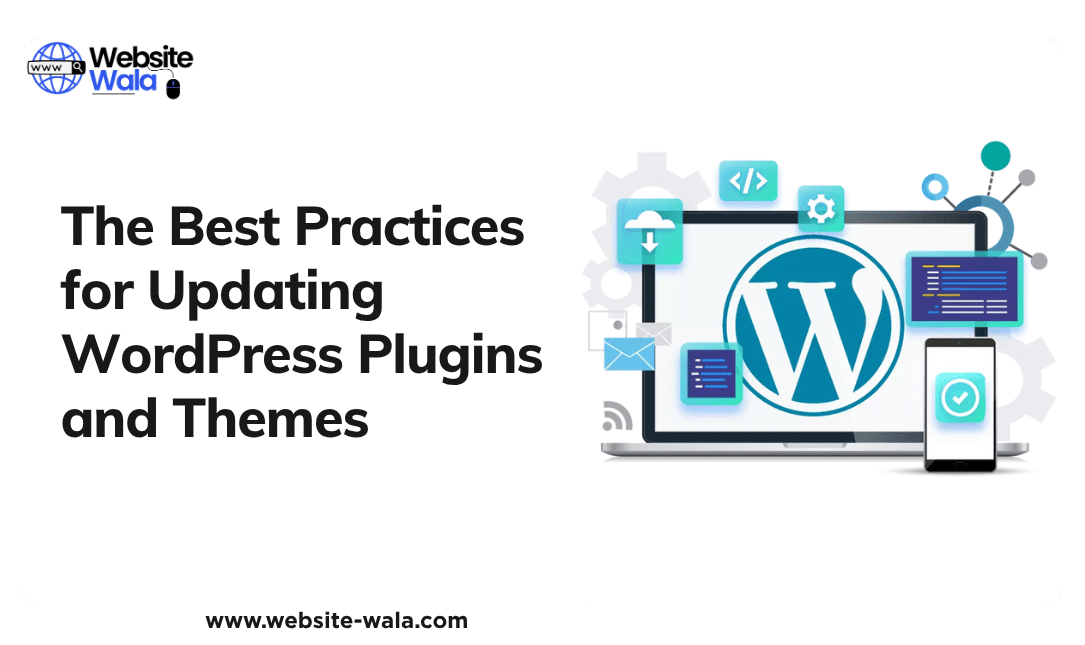
Learn The Best Practices for Updating WordPress Plugins and Themes to improve website security, performance, and overall site stability.
The Best Practices for Updating WordPress Plugins and Themes
Keeping your WordPress site healthy and secure requires regular updates. However, many website owners overlook the importance of following The Best Practices for Updating WordPress Plugins and Themes. Proper updates are essential for enhancing website security, improving website performance, and ensuring compatibility between core files, plugins, and themes. In this comprehensive guide, we’ll walk through the safest and most effective best practices for managing your WordPress updates.
Why Following The Best Practices for Updating WordPress Plugins and Themes Matters
WordPress is a dynamic platform that constantly evolves with new features, bug fixes, and security patches. Regular plugin updates and theme updates not only add new functionalities but also protect your website from vulnerabilities. When site owners neglect The Best Practices for Updating WordPress Plugins and Themes, they risk exposing their websites to malware, broken layouts, and performance issues.
Maintaining an efficient update process ensures your website stays optimized, user-friendly, and secure — key elements for long-term success in website management and WordPress maintenance.
Step 1: Backup Before Every Update
One of The Best Practices for Updating WordPress Plugins and Themes is always backing up your website before making any changes. A complete backup includes your database, plugins, themes, uploads, and configuration files.
If anything goes wrong during plugin updates or theme updates, you can quickly restore your site to its previous working version. Use reliable backup solutions like UpdraftPlus, BackupBuddy, or your hosting provider’s built-in backup tool. This step is vital for website security and overall website maintenance.
Step 2: Check Plugin and Theme Compatibility
Before performing updates, it’s crucial to ensure that your plugins and themes are compatible with the latest WordPress version. Developers often release compatibility notes along with update logs. Reading these changelogs is one of The Best Practices for Updating WordPress Plugins and Themes to prevent compatibility conflicts.
For example:
-
Check user reviews after major plugin updates.
-
Confirm that your theme supports the latest WordPress updates.
-
Avoid updating plugins that haven’t been maintained for several months.
Taking time to verify compatibility minimizes downtime and ensures smoother website optimization.
Step 3: Test Updates in a Staging Environment
A staging environment allows you to test updates safely without affecting your live website. Among The Best Practices for Updating WordPress Plugins and Themes, this step is critical for preventing errors from going public.
By testing changes in a controlled environment, you can:
-
Check if your website design remains intact.
-
Verify that essential features, like contact forms and payment gateways, still function correctly.
-
Identify and fix any conflicts between plugins, themes, or the WordPress core.
Staging environments are essential for professional website management and robust website performance.
Step 4: Update Plugins Before Themes and Core Files
When following The Best Practices for Updating WordPress Plugins and Themes, it’s recommended to start with plugin updates first. Updating plugins before themes and WordPress core helps reduce the risk of functionality issues.
Here’s the ideal update process order:
-
Update plugins one at a time.
-
Update themes after plugins.
-
Update WordPress core last.
Updating one element at a time makes it easier to identify which update causes a potential issue, improving the overall efficiency of your WordPress maintenance routine.
Step 5: Remove Unused Plugins and Themes
Another important aspect of The Best Practices for Updating WordPress Plugins and Themes is decluttering your installation. Unused or inactive plugins and themes can become security liabilities over time. Even if they’re deactivated, they might still contain exploitable code.
Regularly review your website:
-
Delete any plugins or themes you no longer need.
-
Replace outdated tools with actively maintained alternatives.
-
Keep your plugin and theme library lean for better website performance and security.
This proactive approach strengthens your website optimization and keeps maintenance simpler.
Step 6: Automate Updates Carefully
Automation can simplify your update process, but it should be used wisely. While automatic updates are convenient, not all updates are safe to apply without manual review. As part of The Best Practices for Updating WordPress Plugins and Themes, consider enabling automatic updates only for trusted plugins and minor theme updates.
For example:
-
Enable auto-updates for security plugins or essential maintenance tools.
-
Avoid automatic updates for complex plugins that directly affect site design or eCommerce functionality.
Balanced automation saves time while maintaining control over website performance.
Step 7: Monitor Website After Updates
Once updates are complete, don’t assume everything is perfect. One of The Best Practices for Updating WordPress Plugins and Themes involves actively monitoring your site’s performance afterward.
Check for:
-
Broken layouts or missing elements.
-
Slow loading times.
-
Functionality issues with contact forms, shopping carts, or menus.
Tools like Google PageSpeed Insights, GTmetrix, and UptimeRobot can help assess post-update website performance. Monitoring ensures your updates improve your site instead of causing new issues.
Step 8: Keep a Regular Update Schedule
Consistency is key in WordPress maintenance. Scheduling regular updates helps maintain your site’s health and prevents falling behind on security patches. Create a routine — weekly or bi-weekly — to check for plugin updates, theme updates, and WordPress updates.
By following a set update schedule:
-
You ensure long-term website security.
-
You keep your website optimized for the latest technology.
-
You maintain a professional approach to website management.
This habit aligns with The Best Practices for Updating WordPress Plugins and Themes and contributes to a stable, high-performing website.
Step 9: Document Your Update Process
Keeping a simple log of your updates may seem unnecessary, but it’s one of the often-overlooked best practices. Documenting which plugins, themes, or core files were updated — and when — provides valuable insights if issues arise later.
Include in your documentation:
-
Plugin and theme names.
-
Update dates.
-
Any post-update changes or issues encountered.
This record makes troubleshooting more efficient and supports structured website maintenance.
Step 10: Stay Informed and Educated
The WordPress ecosystem evolves constantly. To effectively apply The Best Practices for Updating WordPress Plugins and Themes, stay updated with the latest trends, security news, and development guidelines.
Follow WordPress blogs, developer communities, and official update logs. This proactive learning ensures you can anticipate potential issues before they affect your website.
Conclusion: Strengthen Your Site with The Best Practices for Updating WordPress Plugins and Themes
Applying The Best Practices for Updating WordPress Plugins and Themes isn’t just about keeping your site current — it’s about ensuring long-term stability, security, and peak website performance. From creating backups and testing changes to monitoring after each update, each step in the process plays a vital role in website optimization.