Build Your Dream Website – with Website Wala



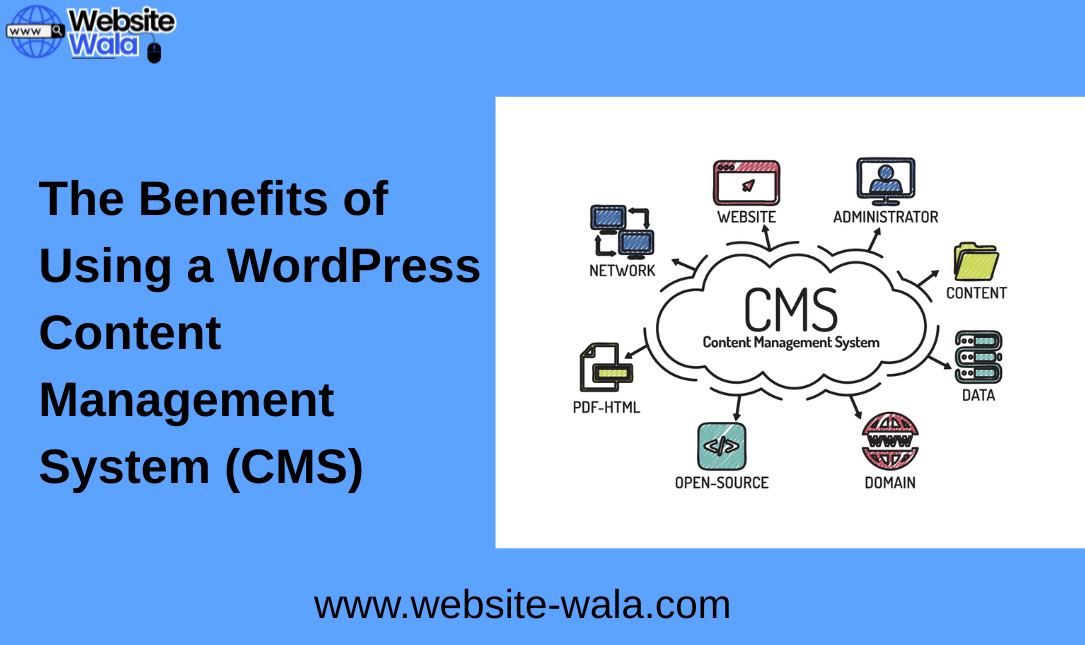
Discover The Benefits of Using a WordPress Content Management System (CMS) for website creation, management, and professional customization.
Introduction: Understanding The Benefits of Using a WordPress Content Management System (CMS)
When it comes to building a successful online presence, few tools are as powerful and versatile as WordPress. Understanding The Benefits of Using a WordPress Content Management System (CMS) can help individuals, small businesses, and large enterprises alike create professional, functional, and engaging websites with ease. A WordPress CMS simplifies the process of website creation and website management while offering a highly user-friendly interface, vast customization options, and an extensive plugin library.
In this article, we’ll explore The Benefits of Using a WordPress Content Management System (CMS) in detail and explain why it continues to dominate the digital landscape as the world’s most popular website platform.
What Is a WordPress Content Management System (CMS)?
Before exploring The Benefits of Using a WordPress Content Management System (CMS), it’s essential to understand what a CMS is. A Content Management System (CMS) is a platform that allows users to create, manage, and publish digital content without needing advanced coding skills.
WordPress, one of the most widely used CMS platforms, powers over 40% of all websites globally. It provides a flexible, open-source framework that supports everyone—from bloggers to Fortune 500 companies—in creating and managing professional websites efficiently. The system’s intuitive dashboard makes website creation and website management simple for beginners and advanced users alike.
1. A User-Friendly Interface That Simplifies Website Creation
One of The Benefits of Using a WordPress Content Management System (CMS) is its user-friendly interface. WordPress is designed for ease of use, allowing even non-technical users to create and maintain their websites confidently.
With an intuitive dashboard, simple menus, and drag-and-drop page builders, users can publish posts, upload media, and customize layouts in minutes. This accessibility is one of the biggest WordPress advantages—it empowers users to take control of their website creation process without relying heavily on developers or designers.
2. Extensive Customization Options for a Unique Online Presence
Another major advantage among The Benefits of Using a WordPress Content Management System (CMS) is the abundance of customization options. WordPress offers thousands of free and premium themes that let users tailor the look and feel of their websites to reflect their brand’s identity.
Beyond visual design, users can enhance functionality with custom widgets, page templates, and integrations. Whether you want a blog, portfolio, eCommerce store, or corporate site, WordPress’s customization capabilities ensure that every website can be distinct, professional, and aligned with its purpose.
3. A Vast Plugin Library to Extend Website Functionality
When discussing The Benefits of Using a WordPress Content Management System (CMS), the plugin library is a standout feature. WordPress has a massive repository of plugins—both free and paid—that extend the platform’s core functionality.
From SEO optimization and security enhancements to contact forms and eCommerce integration, plugins allow users to create a highly functional website with minimal effort. For instance, plugins like Yoast SEO, WooCommerce, and Elementor have become industry standards that help users optimize performance, increase engagement, and streamline business operations.
4. SEO-Friendly Design for Better Search Rankings
A key aspect of The Benefits of Using a WordPress Content Management System (CMS) is its built-in SEO-friendly structure. WordPress automatically generates clean and readable code, improving website visibility in search engines. Users can easily edit meta tags, URLs, and headings to optimize for keywords—boosting rankings and organic traffic.
Additionally, SEO plugins such as Yoast SEO or Rank Math offer advanced tools for keyword optimization, readability analysis, and sitemap generation, ensuring that every post and page follows best SEO practices. For businesses aiming to improve online visibility, this feature is one of the most powerful WordPress advantages.
5. Streamlined Website Management for Teams and Businesses
Effective website management is critical for long-term success. The Benefits of Using a WordPress Content Management System (CMS) include seamless management tools that allow multiple users to collaborate efficiently.
Administrators can assign roles such as editors, authors, and contributors—each with specific permissions—making it easier to manage large teams or content-heavy sites. Regular updates, automated backups, and built-in security features also help ensure that websites remain safe, stable, and up to date.
6. Scalability and Flexibility for Growing Businesses
Among The Benefits of Using a WordPress Content Management System (CMS), scalability is a vital feature. WordPress websites can grow as your business grows—whether you start with a simple blog and later expand into eCommerce or add membership features.
Because WordPress is open-source, it integrates easily with third-party tools like CRMs, marketing software, and analytics platforms. This flexibility ensures your professional website can evolve to meet new demands, audiences, and technologies without needing a complete redesign.
7. Community Support and Continuous Improvement
Another strong point in The Benefits of Using a WordPress Content Management System (CMS) is its global community support. WordPress has a vibrant ecosystem of developers, designers, and users who contribute to its continuous improvement.
Regular updates, security patches, and feature enhancements ensure the platform remains cutting-edge. Moreover, online tutorials, forums, and documentation provide guidance at every step, making WordPress one of the most well-supported CMS platforms available.
8. Cost-Effectiveness and Accessibility
Cost is a crucial factor in any website creation project. The Benefits of Using a WordPress Content Management System (CMS) include its cost-effectiveness—WordPress itself is free to use. Users only pay for hosting, premium themes, or plugins if needed, making it an affordable choice for individuals and businesses of all sizes.
This affordability, combined with its open-source nature and community-driven development, ensures that anyone can build a professional website without breaking their budget.
9. Mobile Responsiveness and Modern Design Standards
Today’s users expect websites to look great and function flawlessly on any device. The Benefits of Using a WordPress Content Management System (CMS) include responsive design capabilities that automatically adjust content for desktops, tablets, and smartphones.
Most WordPress themes are mobile-friendly by default, ensuring seamless user experiences across all screen sizes. This responsiveness not only improves usability but also contributes to better SEO performance, as search engines prioritize mobile-optimized sites.
10. Continuous Innovation and Future-Proof Technology
Finally, The Benefits of Using a WordPress Content Management System (CMS) extend to its ongoing innovation. The platform continuously evolves to meet the demands of the modern digital landscape, supporting new technologies such as Gutenberg block editing, headless CMS configurations, and AI-driven plugins.
This commitment to innovation guarantees that users can future-proof their websites, staying ahead of trends and maintaining a functional website that performs efficiently for years to come.
Conclusion: Why Choose WordPress for Your Website
In summary, The Benefits of Using a WordPress Content Management System (CMS) are vast and compelling. From a user-friendly interface and customization options to its plugin library, SEO advantages, and scalability, WordPress stands out as a powerful tool for both beginners and professionals.
Whether you’re building your first blog or managing a complex corporate site, the WordPress Content Management System (CMS) provides everything you need to create, maintain, and grow a professional and functional website.