Build Your Dream Website – with Website Wala



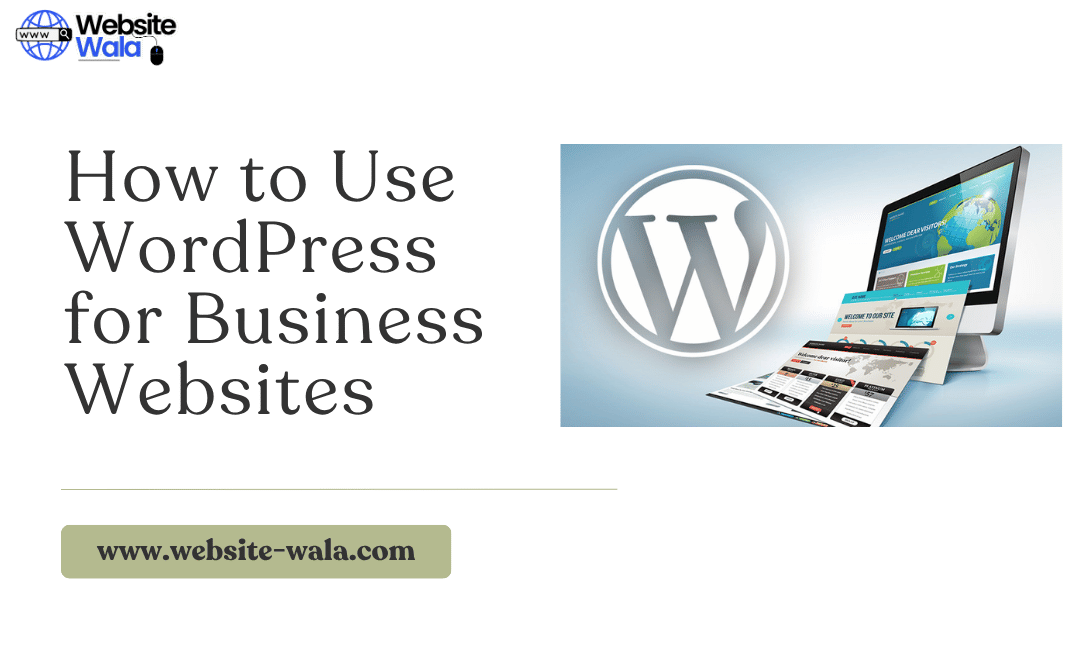
Learn How to Use WordPress for Business Websites effectively. This guide covers setup, customization, SEO, and growth strategies for success.
How to Use WordPress for Business Websites: A Complete Guide to Success
Building a professional online presence is no longer optional—it’s essential. WordPress, a powerful and user-friendly content management system (CMS), has become the go-to platform for creating business websites of all sizes. Whether you’re launching a startup, running an established company, or expanding your e-commerce store, understanding How to Use WordPress for Business Websites can transform your brand’s digital footprint.
In this comprehensive guide, we’ll explore everything you need to know—from setup and customization to optimize SEO and achieving your business goals through strategic website development.
Why WordPress Is Ideal for Business Websites
Before diving into How to Use WordPress for Business Websites, it’s important to understand why WordPress remains the top choice for entrepreneurs and developers alike.
-
Ease of Use: WordPress offers a simple interface, making it accessible even to beginners.
-
Flexibility: You can build any kind of website—corporate, portfolio, blog, or e-commerce.
-
Scalability: As your business grows, your website can easily expand with it.
-
Community and Support: With millions of users, you’ll find endless tutorials, plugins, and support forums.
WordPress powers over 40% of the internet’s websites, and it’s easy to see why. It’s built for growth, customization, and seamless website development—making it a cornerstone for modern businesses.
Step 1: Setting Up WordPress for Your Business Website
The first step in How to Use WordPress for Business Websites is to establish a strong foundation. Here’s how to begin:
1. Choose Reliable Hosting and Domain
Select a trusted hosting provider that offers speed, uptime, and security. Your domain name should reflect your brand identity and be easy to remember.
2. Install WordPress
Most hosting providers offer one-click installation for WordPress. Once installed, you can log in to your dashboard and start building your site.
3. Configure Basic Settings
Adjust key settings under Settings > General. Set your site title, tagline, and time zone to align with your business goals.
By taking the time to set up correctly, you ensure your business website starts off secure, fast, and optimized for long-term growth.
Step 2: Choose and Customize Themes for Your Business Website
A professional appearance builds trust—and that starts with your theme. When learning How to Use WordPress for Business Websites, one of the most enjoyable steps is choosing and customizing themes.
1. Select a Suitable Theme
Look for a theme that suits your brand personality and goals. Premium WordPress themes often come with advanced customization and support options.
2. Customize Your Theme
Head to Appearance > Customize to change colors, typography, and layout. This is where you bring your brand to life visually. You can also use page builders like Elementor or Beaver Builder to make design changes without coding.
3. Ensure Mobile Responsiveness
Over half of all web traffic comes from mobile devices. Make sure your design adapts to all screen sizes for the best user experience.
When you customize themes thoughtfully, your website not only looks professional but also communicates your business’s identity clearly and effectively.
Step 3: Add Essential Pages and Content
Content gives your business website purpose. While learning How to Use WordPress for Business Websites, focus on pages that convey trust, information, and action.
Must-Have Pages:
-
Home Page: Highlight your services, value proposition, and calls to action.
-
About Page: Share your story, mission, and business goals.
-
Services or Products: Describe what you offer clearly and persuasively.
-
Contact Page: Include forms, maps, and social links.
-
Blog Section: Publish articles that attract organic traffic and demonstrate authority.
Consistent, high-quality content supports your SEO efforts and helps build credibility over time.
Step 4: Enhance Functionality with WordPress Plugins
Plugins are what make WordPress so powerful. They add essential features that improve functionality, security, and performance.
Here are key WordPress plugins every business website should consider:
-
Yoast SEO or Rank Math: To optimize SEO and improve visibility.
-
WooCommerce: Perfect for building an e-commerce store.
-
WPForms: For creating contact forms and lead capture pages.
-
Elementor: A drag-and-drop builder for easy website development.
-
UpdraftPlus: For automated backups and restoration.
-
Wordfence Security: To protect against hacking and malware.
Using WordPress plugins strategically can streamline operations, boost performance, and enhance the user experience—all critical for growth.
Step 5: Optimize SEO for Better Visibility
No guide on How to Use WordPress for Business Websites is complete without addressing SEO. To ensure your website reaches your target audience, follow these optimization tips:
-
Use SEO-Friendly URLs: Keep URLs short, descriptive, and keyword-rich.
-
Optimize Meta Titles and Descriptions: Use relevant keywords naturally.
-
Add Alt Text to Images: Helps search engines understand your visuals.
-
Install an SEO Plugin: Tools like Yoast SEO make optimization easy.
-
Focus on Speed: Compress images and use caching plugins for faster load times.
By continually working to optimize SEO, your business website can achieve higher rankings and attract quality leads.
Step 6: Integrate E-Commerce for Business Growth
If your goal includes online sales, WordPress can power your e-commerce operations with ease. Plugins like WooCommerce make it simple to set up an online store.
Key Steps for E-Commerce Success:
-
Add your products or services with detailed descriptions and images.
-
Set up secure payment gateways like Stripe or PayPal.
-
Enable order tracking and automated email notifications.
-
Use analytics to monitor performance and adjust your business goals.
Integrating e-commerce capabilities not only increases revenue opportunities but also expands your market reach, helping your business achieve sustainable growth.
Step 7: Maintain and Update Your WordPress Business Website
After you’ve mastered How to Use WordPress for Business Websites, the final step is ongoing maintenance. Regular updates ensure your site remains secure, fast, and relevant.
Maintenance Best Practices:
-
Update WordPress core, themes, and plugins regularly.
-
Monitor site speed and performance using tools like Google PageSpeed Insights.
-
Back up your site frequently.
-
Review analytics to track user behavior and conversion rates.
Consistent updates and optimizations align your website development efforts with evolving business goals, ensuring long-term success.
Final Thoughts on How to Use WordPress for Business Websites
Learning How to Use WordPress for Business Websites empowers you to take full control of your brand’s online presence. From customizing themes and installing WordPress plugins to optimizing SEO and launching an e-commerce store, the opportunities are limitless.
Your website isn’t just a digital space—it’s the foundation of your business’s online identity and growth. By applying this guide, you’ll build a robust, scalable, and visually appealing WordPress site that supports your unique business goals.