Build Your Dream Website – with Website Wala



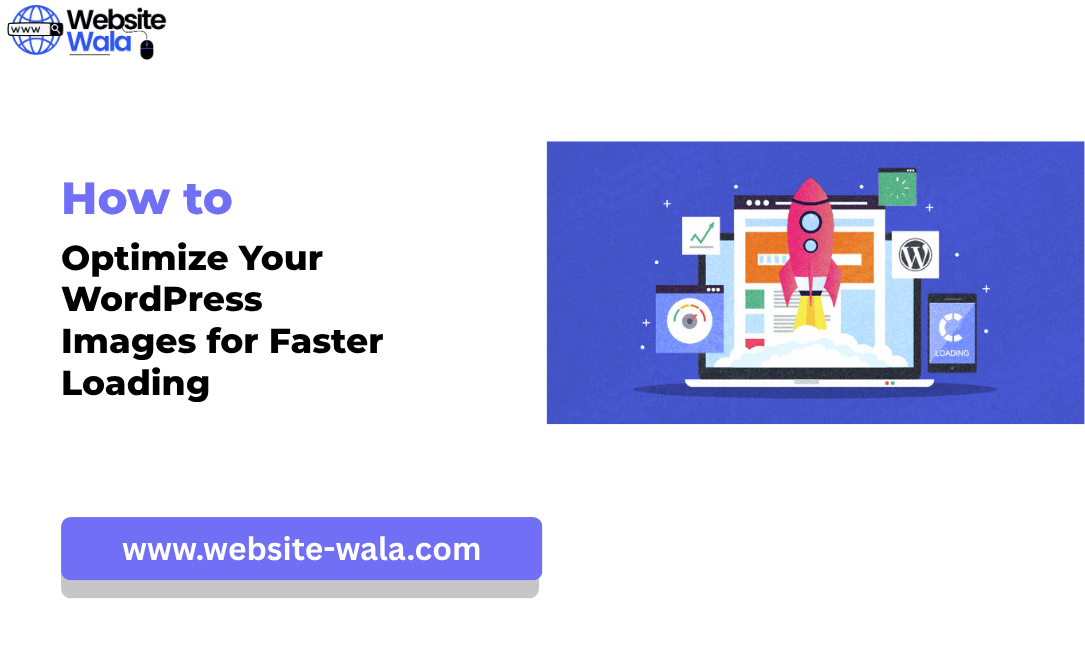
Learn How to Optimize Your WordPress Images for Faster Loading using smart compression, lazy loading, and responsive image techniques to improve website speed and user experience.
Introduction: Why Image Optimization Matters
In today’s digital world, website speed is crucial for success. Visitors expect fast-loading pages, and search engines reward sites that deliver quick performance. If your WordPress site is image-heavy, optimizing your images can drastically improve website speed and enhance overall performance. Understanding How to Optimize Your WordPress Images for Faster Loading is essential not just for SEO but also for better engagement and conversions.
Images make your website visually appealing, but unoptimized images can slow down your site, increase bounce rates, and negatively impact rankings. That’s where wordpress images optimization comes into play. In this guide, we’ll explore How to Optimize Your WordPress Images for Faster Loading using effective tools and image optimization techniques.
1. Understanding the Basics of Image Optimization
Before learning How to Optimize Your WordPress Images for Faster Loading, it’s important to understand what image optimization means. Image optimization is the process of reducing image file sizes without sacrificing visual quality. The goal is to create faster loading images that still look sharp and professional.
Key benefits include:
-
Improved website speed and reduced load times
-
Enhanced user experience improvement
-
Better search engine rankings
-
Reduced bandwidth and storage usage
By focusing on performance optimization, you ensure your site runs smoothly on both desktop and mobile devices.
2. Choose the Right File Format
Selecting the correct image file format is a foundational step in How to Optimize Your WordPress Images for Faster Loading. Each format serves a different purpose:
-
JPEG (JPG): Best for photographs with many colors. Offers excellent image compression with minimal quality loss.
-
PNG: Ideal for images that require transparency or crisp lines, such as logos and icons.
-
WebP: A modern format providing superior compression and quality balance for faster loading images.
For wordpress images optimization, using WebP can cut image file sizes by up to 30–50% compared to traditional formats.
3. Compress Your Images Effectively
Image compression is one of the most effective image optimization techniques. It reduces file size while maintaining acceptable quality. There are two types of compression:
-
Lossy compression: Slight quality reduction for significant file size savings.
-
Lossless compression: Preserves quality but results in slightly larger files.
For WordPress users, plugins like Smush, Imagify, or ShortPixel can automate the compression process. These tools simplify How to Optimize Your WordPress Images for Faster Loading by optimizing images during upload, ensuring your site remains lightweight and efficient.
4. Resize Images Before Uploading
Uploading full-resolution images directly from your camera or phone can slow down your site. To master How to Optimize Your WordPress Images for Faster Loading, always resize images to the exact dimensions needed on your website.
For example, if your blog layout displays images at 800px wide, there’s no need to upload a 4000px photo. You can use tools like Canva, Photoshop, or TinyPNG to resize images without losing visual quality. This small step contributes greatly to faster loading images and better performance optimization.
5. Implement Lazy Loading for WordPress Images
Lazy loading is a must-have feature for modern websites. It ensures images are only loaded when they enter the user’s viewport, rather than all at once when the page loads.
This technique drastically improves website performance and reduces initial page load time. WordPress has built-in lazy loading capabilities (since version 5.5), but you can enhance it using plugins like a3 Lazy Load or WP Rocket.
Incorporating lazy loading is a crucial step in How to Optimize Your WordPress Images for Faster Loading, especially for image-heavy blogs and e-commerce sites.
6. Use Responsive Images for All Devices
Creating responsive images ensures that visitors on mobile, tablet, and desktop see properly sized images for their screen. This not only improves user experience improvement but also supports web design optimization.
WordPress automatically generates multiple image sizes for each upload, helping browsers select the most appropriate one. However, you can further refine this process by using the HTML srcset attribute to deliver the optimal image for each device type.
Implementing responsive images is another vital aspect of How to Optimize Your WordPress Images for Faster Loading, as it ensures efficiency across all devices.
7. Leverage a Content Delivery Network (CDN)
A Content Delivery Network (CDN) caches your images on servers around the world, allowing users to download them from the closest geographical location. This reduces latency and ensures faster loading images for global audiences.
Popular CDN providers like Cloudflare, KeyCDN, or BunnyCDN integrate seamlessly with WordPress. Combining CDN services with other image optimization techniques significantly improves performance optimization and load times.
8. Use Image Optimization Plugins for WordPress
If you want a hands-off approach to How to Optimize Your WordPress Images for Faster Loading, WordPress offers many excellent plugins that handle optimization automatically.
Some of the best plugins for wordpress images optimization include:
-
Smush: Compresses and lazy loads images automatically.
-
Imagify: Converts images to WebP and optimizes existing media.
-
EWWW Image Optimizer: Provides server-side optimization for advanced users.
These tools simplify image compression, lazy loading, and responsive image handling—key aspects of web design optimization and performance optimization.
9. Optimize Image Delivery Using Browser Caching
Browser caching allows repeat visitors to load your site faster by storing previously downloaded images locally. Enabling caching is an effective strategy for faster loading images and better performance optimization.
You can configure caching manually via .htaccess or use caching plugins like W3 Total Cache or WP Super Cache. This approach reduces server load and speeds up your website significantly.
10. Regularly Audit and Maintain Image Performance
Finally, How to Optimize Your WordPress Images for Faster Loading isn’t a one-time process. Regularly audit your site using tools like Google PageSpeed Insights, GTmetrix, or Pingdom to identify performance bottlenecks.
Monitoring your site helps you keep track of wordpress images optimization, image compression, and lazy loading efficiency. Regular maintenance ensures continuous user experience improvement and helps maintain a competitive edge in search rankings.
Conclusion: Boost Speed and Engagement Through Smart Image Optimization
Mastering How to Optimize Your WordPress Images for Faster Loading is essential for any website owner aiming to enhance speed, SEO performance, and user satisfaction. By combining image compression, lazy loading, responsive images, and CDN integration, you’ll achieve faster loading images that delight users and search engines alike.
Effective wordpress images optimization leads to improve website speed, better engagement, and a more polished professional image online. Prioritize performance optimization and web design optimization consistently, and your visitors will reward you with longer sessions, higher conversions, and stronger brand trust.