Build Your Dream Website – with Website Wala



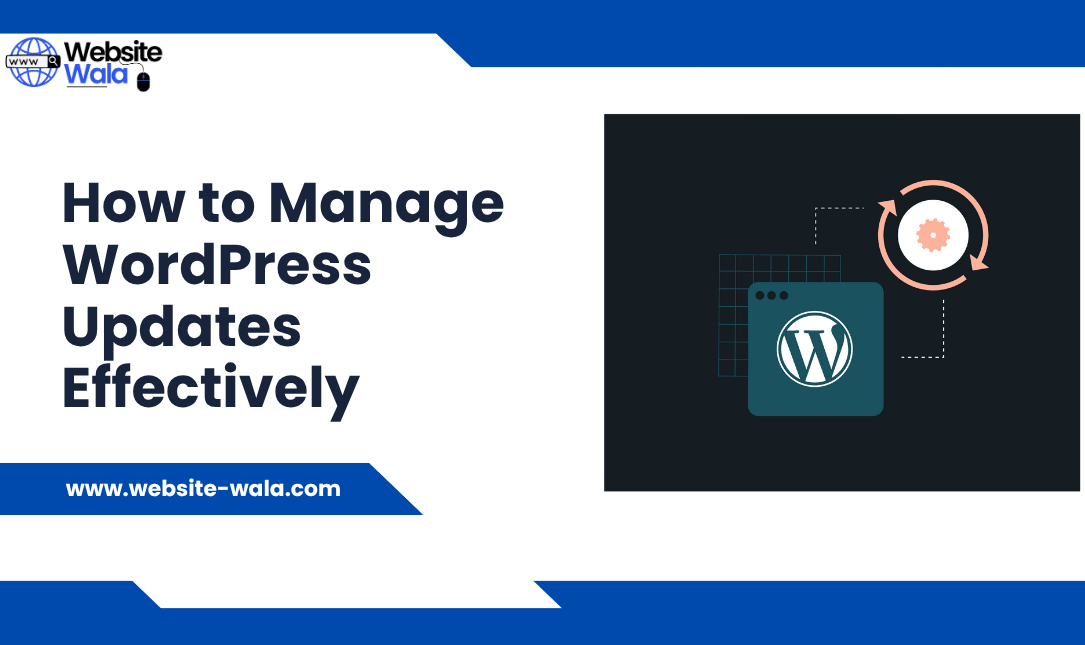
Learn How to Manage WordPress Updates Effectively to boost website security, performance, and reliability using proven WordPress best practices.
How to Manage WordPress Updates Effectively
Keeping your WordPress website running smoothly and securely requires consistent attention to updates. Learning How to Manage WordPress Updates Effectively ensures your website remains safe, fast, and compatible with the latest features. Whether you run a personal blog, an e-commerce store, or a business site, managing WordPress updates properly is an essential part of website maintenance and WordPress best practices.
In this guide, we’ll cover everything you need to know about managing WordPress updates, from understanding the types of updates to implementing strategies for safe and efficient website management.
Why It’s Important to Manage WordPress Updates
Before diving into How to Manage WordPress Updates Effectively, it’s crucial to understand why updates matter. WordPress is a dynamic platform that constantly evolves to improve website performance, WordPress security, and functionality. Ignoring updates can leave your site vulnerable to hackers, broken features, or poor performance.
Here are the main reasons to prioritize WordPress updates:
-
Security: Updates often fix vulnerabilities in WordPress core, themes, or plugins, protecting your site from cyber threats.
-
Performance: Updated software enhances speed and reliability, improving overall website performance.
-
Compatibility: Updates ensure all components—WordPress core, themes, and plugins—work seamlessly together.
-
New Features: Each new version of WordPress introduces tools that improve the user experience and website management.
By learning How to Manage WordPress Updates Effectively, you minimize risks and ensure consistent uptime.
Understanding the Types of WordPress Updates
To manage updates wisely, you first need to understand the three primary categories involved in WordPress maintenance.
1. WordPress Core Updates
The WordPress core is the foundation of your website. Core updates often include important security patches, new features, and performance enhancements. Always back up your site before applying a major WordPress core update, as these can sometimes conflict with older themes or plugins.
2. Plugin Updates
Updating WordPress plugins is equally vital. Plugins extend your site’s functionality, but outdated ones can create compatibility issues or security vulnerabilities. Schedule regular checks to ensure each plugin is compatible with your version of WordPress before updating.
3. Theme Updates
WordPress themes define your site’s design and layout. Theme updates often include fixes for bugs, performance improvements, or styling refinements. However, if you’ve made custom edits to your theme’s code, back up or use a child theme before applying any updates.
Understanding these update types helps you apply WordPress best practices and manage changes efficiently.
How to Manage WordPress Updates Effectively: Step-by-Step
Step 1: Backup Your Website Regularly
A complete backup is the first rule of safe website maintenance. Before making any updates, create a full backup of your WordPress core, database, themes, and plugins. This ensures that if anything goes wrong during the update, you can easily restore your website. Use WordPress tools such as UpdraftPlus or BlogVault to automate backups.
Step 2: Test Updates in a Staging Environment
Before applying updates to your live website, use a staging site to test them. This allows you to spot issues without affecting your visitors. Many hosting providers offer one-click staging features, which are invaluable for managing WordPress updates safely.
Step 3: Update WordPress Core First
When performing multiple updates, always begin with the WordPress core. It provides the foundation for themes and plugins, so updating it first ensures compatibility. Afterward, update plugins and themes sequentially.
Step 4: Update Plugins and Themes
Once the core is up to date, proceed to updating WordPress plugins and WordPress themes. Review the plugin’s changelog before updating—it can reveal new features or potential conflicts. Avoid updating multiple plugins at once; do them one by one to identify issues quickly if something breaks.
Step 5: Monitor Website Performance and Security
After updates, check your site’s website performance and website security. Test all features, including forms, sliders, and shopping carts. Use security plugins like Wordfence or Sucuri to scan for vulnerabilities and ensure everything runs smoothly.
Step 6: Automate Minor Updates
You can enable automatic updates for minor WordPress core releases, which typically involve security and maintenance patches. Automation saves time and ensures your website is always protected, a key aspect of How to Manage WordPress Updates Effectively.
WordPress Tools to Simplify Update Management
Using the right WordPress tools can make managing WordPress updates significantly easier. Here are some top options:
-
ManageWP – Ideal for handling multiple websites, offering one dashboard for updates, backups, and monitoring.
-
MainWP – An open-source tool that lets you control all your WordPress sites from one central dashboard.
-
Jetpack – Offers automatic updates, downtime monitoring, and WordPress security scanning.
-
WP-CLI – A command-line interface that allows developers to perform WordPress maintenance and updates efficiently.
Incorporating these tools into your workflow can streamline website management and reduce human error.
Common Mistakes When Managing WordPress Updates
Even experienced users make errors when updating WordPress. Avoid these common pitfalls to master How to Manage WordPress Updates Effectively:
-
Skipping Backups – Never update without a full site backup.
-
Ignoring Compatibility – Always check whether your themes and plugins are compatible with the latest WordPress core version.
-
Using Outdated Plugins – Old or abandoned plugins pose serious WordPress security risks.
-
Delaying Updates – Waiting too long to update can lead to vulnerabilities and broken features.
-
Not Testing Updates – Always test in a staging environment before going live.
By avoiding these mistakes, you’ll maintain stable website performance and strong website security.
WordPress Best Practices for Long-Term Maintenance
Effective WordPress maintenance is more than just updating—it’s an ongoing strategy. Here are WordPress tips to ensure your site stays in top shape:
-
Schedule Regular Maintenance: Set a recurring reminder to check for updates weekly or biweekly.
-
Monitor Site Health: Use the built-in Site Health tool in WordPress to detect configuration issues.
-
Limit Plugin Usage: Fewer plugins mean fewer updates and fewer compatibility risks.
-
Keep a Maintenance Log: Document all changes and updates for better website management.
-
Prioritize Security: Combine updates with strong passwords, SSL certificates, and firewalls to maintain strong website security.
These WordPress best practices help ensure your website remains reliable and high-performing for years to come.
Final Thoughts: Mastering How to Manage WordPress Updates Effectively
Learning How to Manage WordPress Updates Effectively is one of the most valuable skills for any website owner. Regular WordPress updates, careful testing, reliable backups, and strong WordPress security measures protect your investment and ensure smooth website performance.
By implementing these WordPress maintenance strategies and leveraging WordPress tools, you can streamline website management, safeguard your data, and provide a seamless experience for your visitors. Remember—staying proactive with updates isn’t just about maintenance; it’s about building a stable, secure, and future-ready WordPress website.