Build Your Dream Website – with Website Wala



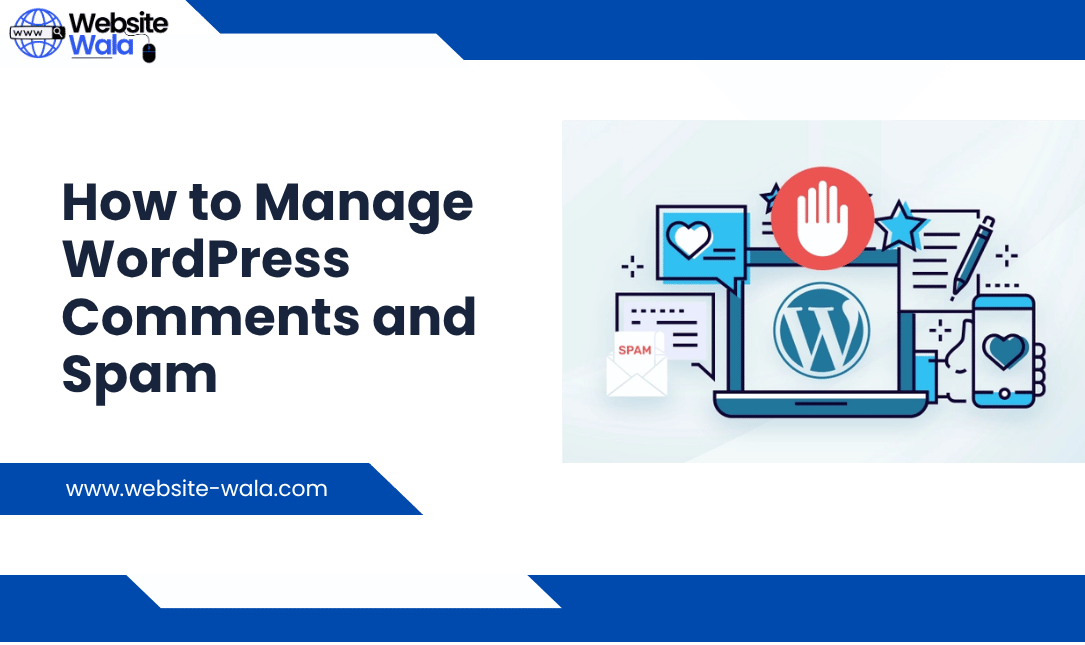
Learn How to Manage WordPress Comments and Spam effectively with practical tips to streamline moderation, boost engagement, and keep your website clean.
Introduction: Why Managing WordPress Comments Matters
If you run a WordPress website, comments are a powerful way to connect with your audience and boost engagement. However, with the benefits of an active comment section also comes the constant challenge of spam. Knowing How to Manage WordPress Comments and Spam effectively can make a huge difference in maintaining a clean, professional, and interactive website.
In this guide, we’ll walk you through proven techniques and tips for comment moderation, spam prevention, and overall website management so you can streamline your moderation process and focus on building meaningful community engagement.
Understanding the Importance of WordPress Comment Management
Comments add life to your blog posts and encourage readers to share their thoughts, feedback, and opinions. They contribute to SEO, build credibility, and foster a sense of community around your website.
However, unmanaged comments can quickly turn into cluttered discussions filled with spam links, fake profiles, and irrelevant content. Learning How to Manage WordPress Comments and Spam ensures your comment section remains a valuable part of your website rather than a liability.
Proper management not only helps you maintain a clean and trustworthy website but also enhances user experience. It signals professionalism and encourages genuine interaction, improving both site quality and visitor engagement.
What Is Comment Spam in WordPress?
Comment spam refers to irrelevant or malicious posts left by bots or individuals trying to promote products, manipulate backlinks, or harm your website’s reputation. These spam comments often include links to low-quality websites, repetitive text, or even harmful code.
Ignoring spam can damage your site’s SEO and user trust. That’s why mastering How to Manage WordPress Comments and Spam is essential for every site owner.
How to Manage WordPress Comments and Spam Effectively
Let’s dive into practical techniques and tips to help you manage WordPress comments efficiently and reduce spam in your moderation process.
1. Configure WordPress Discussion Settings
Start by visiting your WordPress dashboard and navigating to Settings > Discussion. This section allows you to control how comments are handled on your website.
Here are some essential settings to consider:
-
Manual Approval: Enable “Comment must be manually approved” to prevent spam from going live instantly.
-
Require Name and Email: This step filters out anonymous bots and ensures accountability.
-
Close Comments After X Days: This helps limit spam on older posts.
By customizing your discussion settings, you create the foundation for cleaner comment management.
2. Use Anti-Spam Plugins
Anti-spam plugins are one of the best ways to automate spam detection and filtering. Popular options include:
-
Akismet Anti-Spam: Built by Automattic, it automatically detects and filters spam comments.
-
Antispam Bee: A lightweight and privacy-friendly option.
-
CleanTalk: Offers advanced filtering and real-time spam protection.
Installing one of these plugins is an essential part of How to Manage WordPress Comments and Spam effectively. They help you reduce spam volume and streamline the moderation process.
3. Enable Comment Moderation and Blacklist
WordPress gives you built-in tools to moderate comments and blacklist unwanted keywords or URLs.
Under Settings > Discussion, you can specify words, phrases, email addresses, or IPs that automatically flag a comment as spam. This is a simple yet powerful technique to reduce spam and maintain a clean comment section.
Moderation allows you to review all new comments before publishing, ensuring only legitimate ones appear on your website. This balance between automation and manual review enhances your overall website management.
4. Disable Trackbacks and Pingbacks
Trackbacks and pingbacks can often lead to unnecessary spam or self-promotional comments. To maintain a clean comment section, disable them by unchecking “Allow link notifications from other blogs” under your Discussion settings.
This small tweak can significantly streamline your moderation process and reduce spam clutter.
5. Use reCAPTCHA or hCaptcha
Adding a CAPTCHA challenge to your comment form helps block bots before they can post spam.
Tools like Google reCAPTCHA or hCaptcha ensure that only real users can leave comments, drastically improving the quality of submissions. This method is one of the most effective techniques for How to Manage WordPress Comments and Spam while maintaining user engagement.
6. Regularly Review and Clean Up Old Comments
Even with filters and plugins, some spam might slip through. Make it a routine to review your comment section weekly or monthly. Delete spam, respond to genuine comments, and update your filters as needed.
This proactive approach helps you maintain a clean, professional image and ensures your moderation process stays efficient.
7. Encourage Quality Engagement
While technical defenses help reduce spam, fostering real engagement is equally important. Encourage readers to leave thoughtful comments by asking open-ended questions in your posts and replying promptly.
An active and responsive admin team discourages spammers and builds stronger community trust. This is a key aspect of effective website management and engagement building.
Advanced Tips to Streamline Your WordPress Moderation Process
Once you have the basics down, consider these advanced techniques to further streamline your workflow:
-
Use Email Notifications Wisely: Enable comment alerts for pending moderation but avoid overload by limiting them to important posts.
-
Assign Comment Moderators: If your website has multiple authors, delegate comment management responsibilities.
-
Integrate Third-Party Comment Systems: Platforms like Disqus or Jetpack Comments can enhance moderation, user login, and spam control.
-
Set Clear Comment Guidelines: Publish a visible comment policy to set expectations for users.
These strategies not only reduce spam but also help you maintain an organized and efficient moderation process.
The Benefits of Proper Comment and Spam Management
Learning How to Manage WordPress Comments and Spam effectively offers numerous long-term benefits:
-
Improved SEO: Search engines reward clean and relevant discussions.
-
Enhanced User Experience: Visitors appreciate a clutter-free, valuable comment section.
-
Stronger Engagement: Quality conversations encourage return visits.
-
Professionalism: A well-moderated site builds trust and credibility.
By implementing the right management techniques, you turn your comment section into a space for authentic engagement rather than a spam trap.
Conclusion: Keep Your WordPress Comment Section Clean and Engaging
Mastering How to Manage WordPress Comments and Spam is vital for any website owner who values engagement, professionalism, and SEO performance. With the right combination of plugins, moderation techniques, and user interaction, you can maintain a clean and vibrant comment section that benefits your overall website management strategy.
Whether you’re a blogger, business owner, or content creator, effective comment management helps build stronger connections with your audience while keeping spam at bay. Stay proactive, review regularly, and use the tips above to streamline your moderation process and ensure your WordPress website thrives.