Build Your Dream Website – with Website Wala



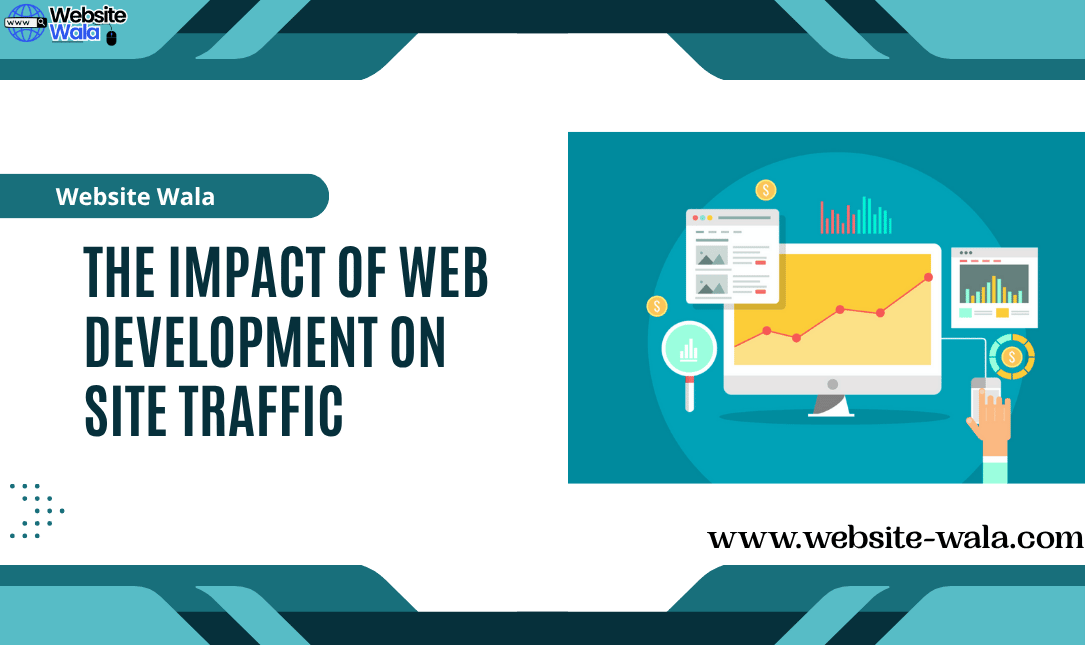
Discover The Impact of Web Development on Site Traffic and learn how smart design, SEO optimization, and user experience can improve site performance.
Introduction: Understanding The Impact of Web Development on Site Traffic
In today’s digital landscape, a business’s online presence is often its most valuable asset. However, having a website is not enough—it must be well-developed, engaging, and optimized to attract and retain visitors. The Impact of Web Development on Site Traffic goes far beyond design aesthetics. It encompasses user experience, performance, SEO optimization, and responsive design—all critical factors that directly influence how users interact with and revisit a site.
In this article, we’ll explore The Impact of Web Development on Site Traffic in detail, analyzing how modern web development techniques can improve site traffic, boost user engagement, and help businesses drive consistent growth online.
Why Web Development Matters for Site Traffic
At its core, web development is about building a website that functions effectively while delivering value to users. The connection between web development and site traffic lies in the technical and experiential aspects that shape how visitors perceive and interact with your website.
A well-developed website is:
-
Fast and responsive: Users today expect web pages to load within seconds. Slow loading times can increase bounce rates and lower rankings.
-
Optimized for SEO: Proper coding practices, schema markup, and clean architecture enhance discoverability.
-
User-focused: Seamless navigation and intuitive design improve user engagement and encourage longer visits.
The better your website’s development quality, the more likely it is to rank higher, retain visitors, and convert them into customers.
The Role of User Experience in Driving Traffic
User experience (UX) plays a major role in The Impact of Web Development on Site Traffic. A website that provides an intuitive and enjoyable browsing experience not only keeps visitors on the page longer but also increases the likelihood of return visits.
Good user experience design involves understanding user behavior and building a site around their needs. Features like clear navigation menus, organized layouts, and fast-loading elements create a positive impression that encourages users to explore more.
For example, if a visitor finds it easy to locate information, complete forms, or make purchases, they are more likely to stay and recommend your site to others—organically increasing website traffic.
Responsive Design: A Key Driver of Site Traffic
Responsive design is one of the most crucial web development techniques influencing The Impact of Web Development on Site Traffic. With a growing number of users accessing websites through mobile devices, responsiveness ensures your site looks and functions perfectly on any screen size.
Search engines, particularly Google, prioritize mobile-friendly sites. A lack of responsive design can lead to lower rankings, reduced visibility, and fewer visitors. By ensuring your website adapts to different devices, you enhance both user engagement and accessibility—two factors that significantly improve site traffic.
SEO Optimization and Web Development: A Powerful Duo
SEO optimization is inseparable from web development. Technical SEO elements—such as clean URL structures, proper use of tags, meta descriptions, and optimized images—form the backbone of a search-friendly website.
When developers and SEO specialists collaborate, they can ensure the site architecture supports indexing, speed, and usability. This collaboration demonstrates The Impact of Web Development on Site Traffic, as it allows websites to achieve better rankings and reach a wider audience.
Key SEO-focused web development techniques include:
-
Using schema markup for enhanced search results
-
Optimizing page speed through caching and image compression
-
Implementing mobile-first design
-
Ensuring secure HTTPS connections
Together, these practices build credibility and help in driving traffic to website consistently.
Enhancing User Engagement Through Interactive Features
Modern web development isn’t limited to static pages. Interactive features—such as animations, chatbots, personalized content, and dynamic visuals—create immersive experiences that elevate user engagement.
This level of engagement contributes directly to The Impact of Web Development on Site Traffic. When users interact with your site, they spend more time browsing, which reduces bounce rates and signals to search engines that your site provides value.
A well-developed interactive website can also increase visitors by encouraging sharing on social media, further expanding your audience reach and brand visibility.
The Technical Foundations That Improve Site Traffic
Behind every high-performing website is a strong technical foundation. Developers use frameworks, code optimizations, and scalable hosting solutions to ensure a site performs flawlessly under heavy traffic loads.
Some essential technical aspects of web development that influence The Impact of Web Development on Site Traffic include:
-
Clean coding practices: Minimize errors and improve load times.
-
Content Delivery Networks (CDNs): Distribute content quickly to global audiences.
-
Caching mechanisms: Reduce server load and improve page speed.
-
Optimized databases: Ensure smooth data handling for e-commerce or content-heavy websites.
By focusing on these areas, developers can build websites that not only look appealing but also function efficiently—directly contributing to increased website traffic.
Web Development and Brand Credibility
The professionalism of a website often shapes how visitors perceive a brand. Outdated designs, broken links, or poor navigation can deter users instantly. On the other hand, modern, responsive, and interactive sites foster trust and reliability.
The Impact of Web Development on Site Traffic is also psychological: users are more likely to revisit and share websites that appear credible and secure. In this sense, web development directly influences both first impressions and long-term customer relationships—both key to driving traffic to website consistently.
Measuring the Impact of Web Development on Site Traffic
To truly understand The Impact of Web Development on Site Traffic, it’s essential to analyze metrics and performance data. Tools like Google Analytics, PageSpeed Insights, and Search Console provide insights into how users interact with your site and where improvements can be made.
Key metrics to monitor include:
-
Bounce rate: Indicates how engaging your content and design are.
-
Average session duration: Measures user engagement levels.
-
Pages per session: Reflects how easily users navigate your site.
-
Organic traffic: Shows how well SEO and technical development efforts are performing.
By regularly analyzing these data points, you can refine web development techniques to continuously improve site traffic and enhance user experience.
Future Trends: The Evolving Impact of Web Development
As technology advances, The Impact of Web Development on Site Traffic continues to evolve. AI-driven personalization, progressive web apps (PWAs), and voice search optimization are reshaping how websites attract and engage visitors.
Businesses that adapt to these trends early gain a competitive advantage. For instance, integrating AI chatbots or predictive analytics enhances user engagement and supports faster conversions. Similarly, incorporating accessibility standards broadens your audience reach and increases visitors from diverse user groups.
Conclusion: Building a Web Presence That Drives Results
The Impact of Web Development on Site Traffic cannot be overstated. From enhancing user experience and responsive design to implementing SEO optimization and robust technical performance, every element of web development plays a pivotal role in driving traffic to website.
By combining aesthetics, functionality, and performance, businesses can create digital experiences that not only attract but retain visitors—ultimately leading to sustained growth and visibility online.