Build Your Dream Website – with Website Wala



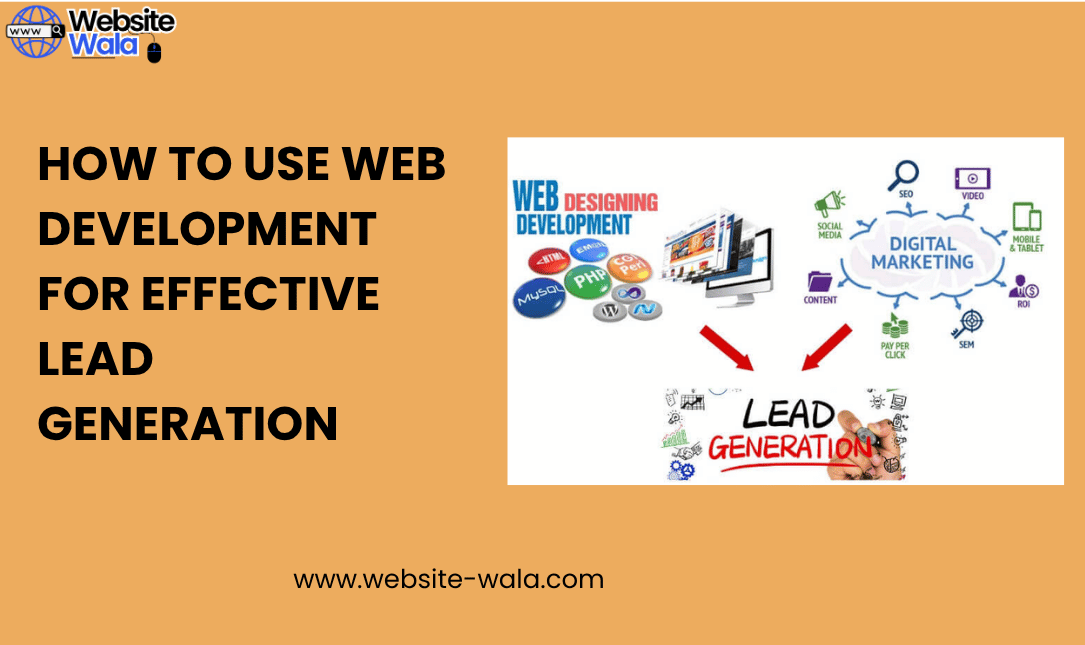
Learn How to Use Web Development for Effective Lead Generation to boost conversions, improve SEO, and optimize your online marketing strategy.
Introduction: The Power of Web Development in Lead Generation
In today’s digital landscape, understanding How to Use Web Development for Effective Lead Generation is essential for any business aiming to thrive online. A website is not merely an online brochure—it’s a powerful engine for customer acquisition, inbound marketing, and sales growth. Through strategic web development, you can create an optimized user experience, strengthen your digital strategy, and attract high-quality leads that convert.
From responsive design to SEO-driven content, web development plays a critical role in every stage of the lead generation funnel. In this guide, we’ll explore How to Use Web Development for Effective Lead Generation and the strategies that make your website a conversion powerhouse.
Why Web Development Is the Foundation of Lead Generation
Before diving into How to Use Web Development for Effective Lead Generation, it’s vital to understand the connection between web development and lead generation. Your website is often the first touchpoint potential customers have with your brand. Every interaction—from load time to navigation—impacts whether a visitor stays or leaves.
Effective web development ensures:
-
A fast, responsive, and mobile-friendly website.
-
A clean structure that enhances SEO performance.
-
Seamless navigation that promotes better user experience.
-
Intuitive call-to-action elements that encourage engagement.
By prioritizing these fundamentals, businesses can create an online environment that naturally attracts, nurtures, and converts leads.
Step 1: Build a Strong Foundation with SEO and Website Optimization
One of the most effective ways to learn How to Use Web Development for Effective Lead Generation is to start with SEO and website optimization. A well-optimized website makes it easier for potential customers to find you through search engines.
Here’s how to enhance your digital strategy through SEO:
-
Keyword Research: Target the right audience by identifying what they’re searching for.
-
Technical SEO: Optimize site structure, meta tags, and schema markup to help search engines crawl and index your pages effectively.
-
Page Speed: Improve load times to reduce bounce rates and enhance user experience.
-
Mobile Optimization: Ensure your design is responsive across devices.
The goal of website optimization is not just visibility—it’s conversion. When users can easily find what they need, they’re more likely to become qualified leads.
Step 2: Create Conversion-Focused Landing Pages
An essential element of How to Use Web Development for Effective Lead Generation is the strategic creation of high-performing landing pages. These pages are designed specifically to capture visitor information through forms, downloads, or call-to-action prompts.
Key components of an effective landing page include:
-
Compelling Headlines: Clearly communicate the value proposition.
-
Minimal Distractions: Remove unnecessary links or clutter that could divert attention.
-
Optimized Forms: Keep them short and focused—ask only for essential information.
-
Trust Signals: Use testimonials, reviews, or certifications to build credibility.
By aligning landing pages with your inbound marketing efforts, you can significantly boost your conversion rate optimization (CRO).
Step 3: Enhance User Experience for Better Engagement
A smooth user experience (UX) is the backbone of web development and a key factor in lead generation. Visitors won’t convert if they encounter confusing layouts or slow-loading pages. That’s why understanding How to Use Web Development for Effective Lead Generation means putting UX at the center of your digital strategy.
Best practices for a superior UX include:
-
Intuitive Navigation: Make it easy for users to find products, services, or contact options.
-
Consistent Design Elements: Maintain a cohesive look and feel across all pages.
-
Accessibility Features: Ensure your site is usable for all visitors, including those with disabilities.
-
Engaging Visuals: Use images, icons, and videos strategically to reinforce your message.
Good UX not only retains visitors but also guides them naturally toward your call-to-action, improving the likelihood of conversion.
Step 4: Integrate Powerful Calls-to-Action and Lead Capture Tools
A crucial aspect of How to Use Web Development for Effective Lead Generation is integrating strong call-to-action (CTA) elements throughout your website. CTAs guide users toward specific actions—whether that’s downloading a guide, requesting a quote, or subscribing to your email marketing list.
To maximize their impact:
-
Place CTAs Strategically: Use them above the fold, at the end of content sections, and within landing pages.
-
Use Action-Oriented Language: Words like “Get Started,” “Claim Your Free Trial,” or “Download Now” drive engagement.
-
Leverage Pop-ups and Chatbots: These tools can capture visitor information in real-time.
The goal is to design your web development elements so that every visitor interaction contributes to your lead generation funnel.
Step 5: Use Analytics to Drive Continuous Improvement
Understanding How to Use Web Development for Effective Lead Generation also means tracking performance continuously. Web analytics tools like Google Analytics or HubSpot provide insights into visitor behavior, conversion paths, and engagement metrics.
Track metrics such as:
-
Bounce Rate: Indicates how well your pages retain visitors.
-
Session Duration: Shows how long users interact with your content.
-
Conversion Rate: Measures how effectively your call-to-action elements perform.
By analyzing these metrics, you can make data-driven adjustments to improve conversion rate optimization and refine your online marketing efforts.
Step 6: Integrate Inbound and Email Marketing with Web Development
The synergy between web development and email marketing is a major driver of sustained lead generation. Once leads are captured, nurturing them through personalized emails builds trust and loyalty.
Here’s how to integrate these efforts:
-
Automated Email Workflows: Use triggers based on user behavior to send targeted messages.
-
Dynamic Content: Personalize landing pages and emails based on user segments.
-
A/B Testing: Experiment with different subject lines, CTAs, and layouts for better results.
Combining inbound marketing tactics with robust web development ensures that leads move smoothly from awareness to conversion.
Step 7: Optimize for Conversion Rate and Customer Acquisition
A critical outcome of learning How to Use Web Development for Effective Lead Generation is mastering conversion rate optimization (CRO). Every small improvement—from button color to layout adjustments—can influence user decisions.
Effective CRO strategies include:
-
Testing different landing page designs.
-
Streamlining checkout or sign-up processes.
-
Using behavioral tracking to identify friction points.
By continually refining these elements, your website becomes a consistent engine for customer acquisition.
Conclusion: Building a Web Development Strategy that Generates Results
Understanding How to Use Web Development for Effective Lead Generation is about combining technical precision with marketing insight. A well-developed website doesn’t just look good—it performs efficiently, attracts targeted traffic, and converts visitors into loyal customers.
By focusing on website optimization, enhancing user experience, crafting persuasive landing pages, and integrating email marketing and inbound marketing, your brand can transform its digital presence into a sustainable lead generation machine.