Build Your Dream Website – with Website Wala



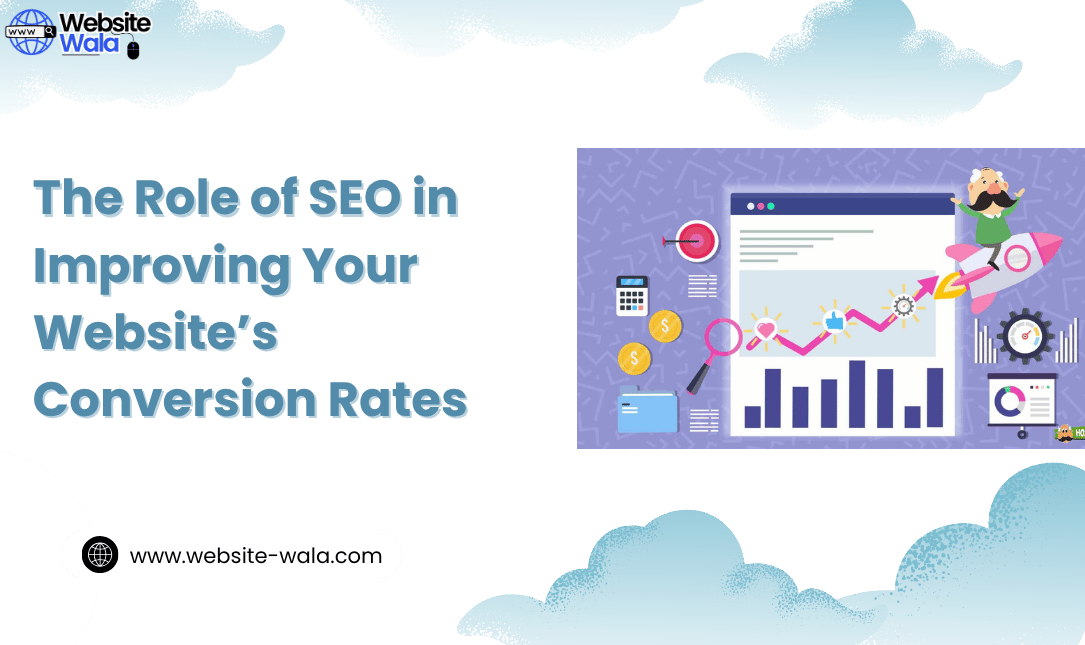
Discover The Role of SEO in Improving Your Website’s Conversion Rates and how effective search engine optimization drives traffic, engagement, and conversions.
Introduction: Understanding The Role of SEO in Improving Your Website’s Conversion Rates
In today’s competitive digital landscape, The Role of SEO in Improving Your Website’s Conversion Rates cannot be overstated. While many businesses focus primarily on increasing website traffic, true success lies in transforming that traffic into measurable actions — such as purchases, sign-ups, or inquiries. Search engine optimization (SEO) serves as the bridge between visibility and conversion, helping brands not only attract visitors but also guide them toward completing desired actions.
This article explores The Role of SEO in Improving Your Website’s Conversion Rates in depth — from keyword optimization and content optimization to improving user experience and site performance. By mastering these SEO fundamentals, businesses can enhance both online visibility and website conversion rates, driving long-term business success.
The Connection Between SEO and Website Conversion Rates
At its core, SEO is more than just ranking higher on search engines; it’s about aligning your content and design with user intent. When users find exactly what they’re looking for through organic search, they’re more likely to take action. This is why understanding The Role of SEO in Improving Your Website’s Conversion Rates is crucial.
A website that’s optimized for search engine optimization naturally provides value to users. Clear navigation, relevant content, and fast-loading pages contribute to a positive user experience, which directly impacts website conversion rates. When visitors feel confident and satisfied, they trust the brand — and trust leads to conversions.
How Keyword Optimization Enhances Conversion Rates
Keyword optimization is a cornerstone of The Role of SEO in Improving Your Website’s Conversion Rates. Choosing the right keywords helps businesses target users who are already interested in their products or services.
Instead of focusing solely on high-volume keywords, smart marketers use long-tail keywords that reflect purchase intent. For example, a user searching for “best digital marketing agency for small business” is more likely to convert than someone simply searching for “digital marketing.”
By aligning keyword optimization with the buyer’s journey, businesses can attract quality leads, reduce bounce rates, and improve website conversion rates.
The Importance of Content Optimization in SEO
Content optimization plays a pivotal part in The Role of SEO in Improving Your Website’s Conversion Rates. Search engines prioritize content that’s valuable, relevant, and engaging. However, great content must not only attract users — it must convert them.
Here’s how content optimization supports conversions:
-
Relevance: High-quality content that matches user intent helps visitors find answers quickly.
-
Readability: Clear formatting, short paragraphs, and structured headings improve user experience.
-
Calls to Action (CTAs): Strategically placed CTAs encourage visitors to take the next step.
-
Trust-building: Data-driven insights, testimonials, and authoritative links enhance credibility.
When executed correctly, optimized content increases online visibility through organic search while simultaneously nurturing trust — a vital factor for boosting website conversion rates.
Enhancing User Experience Through SEO
A seamless user experience is essential in understanding The Role of SEO in Improving Your Website’s Conversion Rates. Google’s algorithms increasingly prioritize UX metrics like page load speed, mobile responsiveness, and site navigation.
A website that loads quickly and is easy to navigate encourages users to stay longer and explore more pages. Factors that influence user experience and conversions include:
-
Page speed optimization: Faster sites lower bounce rates.
-
Mobile-friendly design: With most traffic now coming from mobile, responsive design is critical.
-
Clear site architecture: Easy navigation improves engagement and helps search engine optimization efforts.
-
Secure browsing: HTTPS encryption fosters trust, an important conversion factor.
When web development teams and SEO specialists collaborate, they create websites that perform well both technically and commercially — leading to measurable improvements in website conversion rates.
The Power of Technical SEO in Conversion Optimization
Technical SEO forms the foundation of The Role of SEO in Improving Your Website’s Conversion Rates. Without a strong technical structure, even the best content may fail to perform.
Elements such as structured data, XML sitemaps, canonical tags, and proper indexing ensure that search engines can efficiently crawl and display your pages. Technical SEO also improves user experience by eliminating broken links, reducing errors, and enhancing overall site performance.
A technically optimized site builds user confidence, reduces friction in the conversion process, and contributes to business success by supporting both visibility and usability.
The Role of Local SEO in Driving Conversions
For small and local businesses, local SEO plays a major part in The Role of SEO in Improving Your Website’s Conversion Rates. Local searchers often have high purchase intent — for instance, someone searching “coffee shop near me” is likely to visit soon.
Optimizing for local keywords, maintaining consistent NAP (Name, Address, Phone) information, and gathering positive reviews enhance online visibility and credibility. These efforts convert local search traffic into physical visits and sales, boosting website conversion rates in measurable ways.
Integrating SEO With Digital Marketing Strategies
The Role of SEO in Improving Your Website’s Conversion Rates extends beyond traditional on-page tactics. SEO works best when integrated with a holistic digital marketing strategy that includes email campaigns, paid advertising, and social media.
When all marketing channels share consistent messaging and keyword targeting, they reinforce one another. For instance, an SEO-optimized landing page promoted through PPC ads can attract high-quality leads and improve overall conversion metrics.
Moreover, SEO provides valuable analytics data — such as bounce rates, conversion funnels, and keyword performance — which can guide smarter decisions across all digital marketing channels.
Measuring the Impact of SEO on Conversion Rates
To fully grasp The Role of SEO in Improving Your Website’s Conversion Rates, businesses must track performance metrics that matter. Tools like Google Analytics and Search Console provide insights into how visitors interact with your site and which channels drive the most conversions.
Key metrics include:
-
Conversion rate: The percentage of visitors who complete a desired action.
-
Organic traffic: The number of visitors from organic search results.
-
Bounce rate: The rate at which users leave without interacting.
-
Average session duration: A reflection of user experience quality.
By monitoring these KPIs, businesses can refine their SEO strategies, focusing on elements that yield the highest return on investment.
Conclusion: Why SEO is the Key to Business Success
Ultimately, The Role of SEO in Improving Your Website’s Conversion Rates is about creating a balance between visibility, usability, and credibility. SEO is not just a marketing tactic — it’s a long-term strategy that supports every aspect of web development and digital marketing.