Build Your Dream Website – with Website Wala



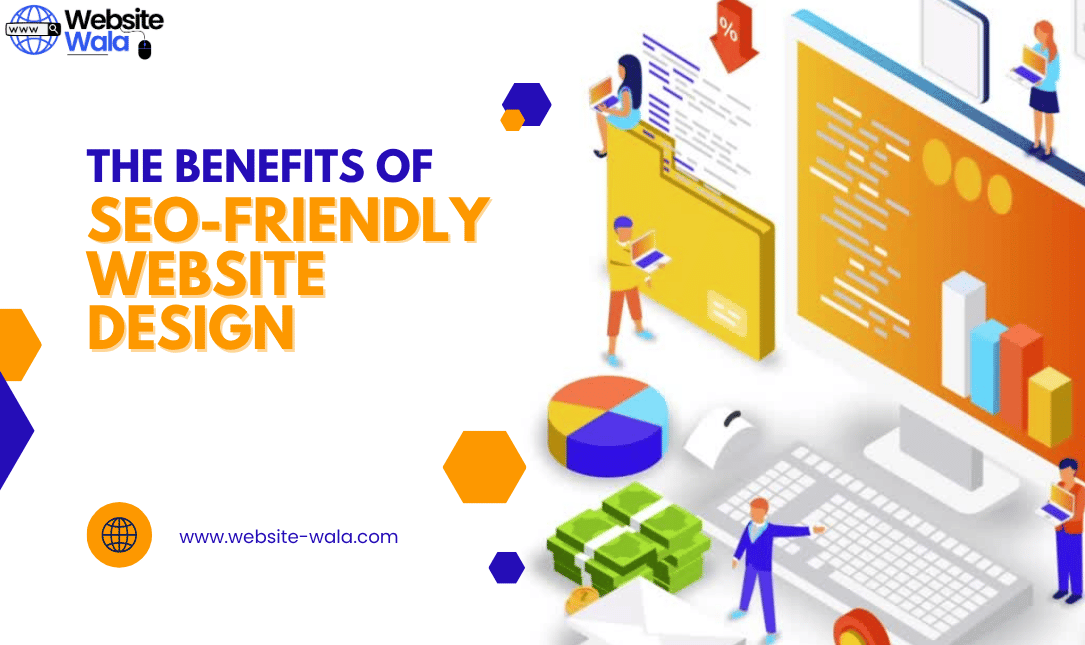
Discover The Benefits of SEO-Friendly Website Design and how it enhances online visibility, boosts rankings, and improves user experience.
The Benefits of SEO-Friendly Website Design
In today’s digital-first world, a well-designed website is more than just a digital storefront—it’s a critical factor in determining your brand’s online success. Understanding The Benefits of SEO-Friendly Website Design can transform how your business performs in search engines, attract more visitors, and improve your overall website performance. By combining effective web design with strategic search engine optimization (SEO), businesses can achieve lasting visibility, better user experience, and higher conversion rates.
What Is an SEO-Friendly Website Design?
Before diving into The Benefits of SEO-Friendly Website Design, it’s essential to understand what makes a website SEO-friendly. An SEO-friendly website design seamlessly integrates technical optimization, intuitive navigation, and high-quality content to ensure search engines can easily crawl and index the site.
A truly optimized website focuses on both humans and algorithms—it’s fast, mobile-responsive, visually appealing, and designed with SEO strategies in mind. This balance between aesthetics and performance helps drive traffic, improve search engine rankings, and enhance online visibility.
1. Enhanced Online Visibility and Brand Awareness
One of The Benefits of SEO-Friendly Website Design is the significant improvement in online visibility. When your site is designed with SEO principles, search engines can easily understand your content and rank it for relevant keywords. This leads to higher positions on search engine results pages (SERPs), making your brand more visible to potential customers.
The more visible your website becomes, the more likely users are to visit and engage with your content. Over time, consistent visibility builds brand authority and trust—two key components of a successful online presence.
2. Improved Website Performance and Speed
Fast-loading pages are essential for retaining visitors and boosting rankings. A major aspect of The Benefits of SEO-Friendly Website Design is the focus on website performance. Search engines like Google prioritize websites that load quickly and function smoothly across devices.
Optimizing images, using clean code, and implementing caching techniques all contribute to faster load times. A site that performs efficiently not only satisfies search engine requirements but also improves user experience—leading to higher engagement and conversion rates.
3. Better User Experience (UX)
A positive user experience is at the heart of effective web design. The Benefits of SEO-Friendly Website Design include creating a seamless, intuitive journey for your visitors. This means clear navigation, easy-to-read typography, responsive design, and content that meets user intent.
When users can find what they need quickly and effortlessly, they’re more likely to stay longer and explore your site. This reduces bounce rates and signals to search engines that your site is valuable, indirectly improving your search engine rankings.
4. Mobile Optimization for Broader Reach
Another key point in understanding The Benefits of SEO-Friendly Website Design is mobile responsiveness. With more than half of all web traffic coming from mobile devices, ensuring that your website is optimized for smartphones and tablets is crucial.
Mobile-friendly design enhances accessibility and makes navigation effortless on smaller screens. Search engines also use mobile-first indexing, meaning they primarily evaluate the mobile version of your site. Therefore, a responsive design is not just a user requirement—it’s a critical ranking factor for search engine optimization.
5. Higher Search Engine Rankings
At the core of The Benefits of SEO-Friendly Website Design lies the goal of improving search engine rankings. A well-structured website, combined with strong on-page SEO practices—such as keyword optimization, meta tagging, and schema markup—can significantly enhance your visibility in search results.
When your website is optimized from the ground up, search engines can better understand your pages, categorize them accurately, and rank them higher for relevant searches. This helps you drive traffic organically without relying heavily on paid advertising.
6. Cost-Effective Marketing Strategy
Compared to traditional advertising, The Benefits of SEO-Friendly Website Design include long-term cost efficiency. Once your site is optimized, it continues to attract visitors organically with minimal ongoing expenses.
Investing in website optimization at the design stage means you build a strong foundation that supports future SEO strategies. This sustainable approach reduces the need for expensive reworks and ensures your marketing budget is used effectively.
7. Increased Traffic and Conversions
A primary objective of search engine optimization is to drive traffic that converts into leads or sales. One of The Benefits of SEO-Friendly Website Design is that it naturally attracts high-quality visitors—people who are already searching for what you offer.
By aligning your content, keywords, and design with user intent, you can create a site that not only ranks well but also encourages visitors to take action. Effective call-to-actions (CTAs), streamlined checkout processes, and engaging layouts enhance conversion potential.
8. Long-Term Growth and Competitive Advantage
Businesses that understand The Benefits of SEO-Friendly Website Design gain a competitive edge in their industry. A well-optimized website continues to perform well over time, adapting easily to algorithm changes and evolving user behaviors.
Unlike short-term marketing campaigns, SEO-friendly design builds a solid online foundation that drives consistent results. As competitors struggle to keep up with constant SEO updates, your website remains relevant, visible, and user-focused.
9. Easy Integration with Future SEO Strategies
Another advantage of The Benefits of SEO-Friendly Website Design is scalability. An SEO-optimized site makes it easier to implement future SEO strategies without requiring a complete redesign.
For example, if you plan to expand your website with new content, products, or services, an SEO-friendly structure supports these additions seamlessly. This flexibility ensures that your site remains efficient, adaptable, and optimized for growth.
10. Strengthened Website Security
While often overlooked, security plays a crucial role in both website performance and search engine optimization. The Benefits of SEO-Friendly Website Design include implementing HTTPS protocols and secure hosting, which not only protect user data but also contribute to better search rankings.
Search engines prefer secure websites, and users feel more confident when browsing or making purchases from sites that display trust signals. Strong security measures thus enhance both SEO and user trust.
Conclusion: Maximizing The Benefits of SEO-Friendly Website Design
In summary, The Benefits of SEO-Friendly Website Design extend far beyond better rankings—they encompass faster load times, improved user experience, increased online visibility, and long-term business growth.
By investing in a well-structured, optimized web design, you set the stage for sustainable success. Whether your goal is to drive traffic, boost conversions, or strengthen your digital presence, a focus on website optimization and search engine optimization ensures your brand remains competitive in the ever-evolving digital landscape.