Build Your Dream Website – with Website Wala



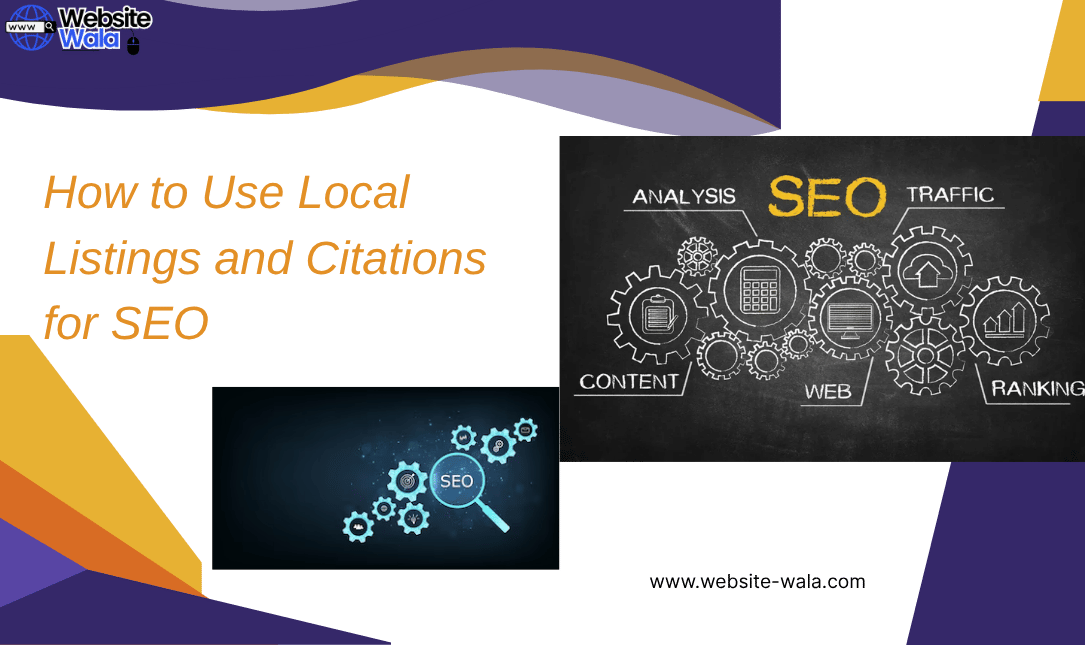
Learn How to Use Local Listings and Citations for SEO to improve your local search visibility, attract more local customers, and boost your organic traffic.
How to Use Local Listings and Citations for SEO
If you want your business to appear at the top of local search results, mastering How to Use Local Listings and Citations for SEO is essential. Local listings and citations are powerful tools in local search engine optimization that help your business build trust, improve online visibility, and attract local customers ready to convert. In this guide, we’ll cover everything you need to know about How to Use Local Listings and Citations for SEO, including what they are, why they matter, and how to optimize them for maximum results.
What Are Local Listings and Citations?
Before diving into How to Use Local Listings and Citations for SEO, it’s important to understand what they are.
Local listings refer to your business profiles on online directories such as Google My Business, Yelp, Bing Places, and Facebook. These listings display your essential business information—like name, address, phone number (NAP), website URL, and operating hours.
Citations, on the other hand, are mentions of your business information across the web. They don’t always include a link to your website, but they reinforce your business’s legitimacy and consistency across multiple platforms. Common examples include local business listings, local directory listings, and niche directories relevant to your industry.
Together, local listings and citations help search engines verify that your business is real, trustworthy, and relevant to local customers.
Why Local Listings and Citations Matter for SEO
Understanding How to Use Local Listings and Citations for SEO means recognizing their impact on your overall local SEO performance. Search engines like Google use citations as a key factor when determining which businesses appear in local search results.
Here’s why they matter:
-
Improved Online Visibility:
Consistent local listings and citations increase your chances of appearing in the Google Local Pack and Maps results, making it easier for local customers to find you. -
Trust and Credibility:
When your business information is consistent across multiple online directories, it signals reliability to search engines. -
Higher Organic Traffic:
A well-optimized presence in local business listings can drive targeted organic traffic from users searching for businesses like yours. -
Boosted Local SEO Ranking:
Accurate and verified local citations can strengthen your business’s authority and relevance in local search optimization.
By mastering How to Use Local Listings and Citations for SEO, you’re not just improving your rankings—you’re also building a stronger local brand presence.
Step-by-Step Guide on How to Use Local Listings and Citations for SEO
1. Create or Claim Your Google My Business Profile
The first step in How to Use Local Listings and Citations for SEO is setting up your Google My Business (GMB) profile. This free tool from Google is the cornerstone of local SEO and helps your business appear in local search and Google Maps results.
Make sure to:
-
Verify your business ownership.
-
Add accurate business information (NAP consistency is key).
-
Upload high-quality photos.
-
Choose the correct business category.
-
Encourage local customers to leave reviews.
2. Submit Your Business to Major Online Directories
Next, expand your reach by submitting your business to reputable online directories like Yelp, Bing Places, Apple Maps, and industry-specific platforms.
When learning How to Use Local Listings and Citations for SEO, consistency is crucial. Ensure that your business information matches exactly across all platforms—down to the punctuation in your address. Search engines rely on this data for local search engine optimization, and any inconsistency can hurt your rankings.
3. Build High-Quality Local Citations
Not all local citations are created equal. Focus on authoritative directories and niche sites relevant to your business category. For instance, a restaurant should be listed on TripAdvisor and Zomato, while a law firm might benefit from listings on FindLaw or Avvo.
Building business citations on trustworthy websites improves your domain authority and helps Google associate your brand with your geographic location—an essential part of local search optimization.
4. Optimize Each Listing for SEO
Simply having local listings isn’t enough—you must optimize them for SEO. When working on How to Use Local Listings and Citations for SEO, pay attention to these details:
-
Use your target keywords naturally in descriptions.
-
Add a compelling business description highlighting your services.
-
Include relevant categories and service areas.
-
Add photos, videos, and posts regularly.
Optimized local directory listings attract more organic traffic and signal freshness to search engines.
5. Monitor and Update Business Information Regularly
An often-overlooked step in How to Use Local Listings and Citations for SEO is maintenance. Outdated phone numbers, broken links, or incorrect addresses can confuse both customers and search engines.
Perform regular audits of your local listings and citations to ensure all business information is accurate. Tools like BrightLocal or Moz Local can help you track and update local business listings efficiently.
6. Encourage and Manage Customer Reviews
Customer reviews play a major role in local search engine optimization. Positive reviews not only attract more local customers but also enhance your credibility in the eyes of Google.
Encourage happy customers to leave feedback on your Google My Business page and other online directories. Respond promptly to all reviews—positive or negative—to show engagement and professionalism.
Common Mistakes to Avoid When Using Local Listings and Citations
While learning How to Use Local Listings and Citations for SEO, many businesses make simple yet costly mistakes. Avoid these pitfalls:
-
Inconsistent NAP Data: Even minor inconsistencies can hurt your local search rankings.
-
Duplicate Listings: Multiple entries for the same business confuse search engines.
-
Neglecting Reviews: Ignoring reviews reduces trust and engagement.
-
Low-Quality Directories: Avoid spammy online directories that may harm your reputation.
Staying organized and maintaining high-quality local citations will ensure long-term local SEO success.
Measuring the Success of Your Local Listings and Citations Strategy
To truly master How to Use Local Listings and Citations for SEO, you need to measure your progress. Track metrics such as:
-
Ranking Improvements in local search.
-
Traffic Increases from online directories.
-
Conversion Rates from local business listings.
-
Review Volume and Sentiment on Google My Business and other platforms.
Tools like Google Analytics, Google Search Console, and local SEO platforms can help you assess the effectiveness of your efforts.
Conclusion: Mastering How to Use Local Listings and Citations for SEO
Knowing How to Use Local Listings and Citations for SEO is one of the most effective ways to enhance your local search optimization strategy. By creating consistent business citations, optimizing your local directory listings, and maintaining accurate business information across all online directories, you strengthen your brand’s credibility and boost organic traffic.
Remember, local SEO is an ongoing process. Regular updates, reputation management, and accurate data are key to staying visible in local search. With consistent effort, you’ll build stronger connections with local customers and establish your business as a trusted leader in your community.