Build Your Dream Website – with Website Wala



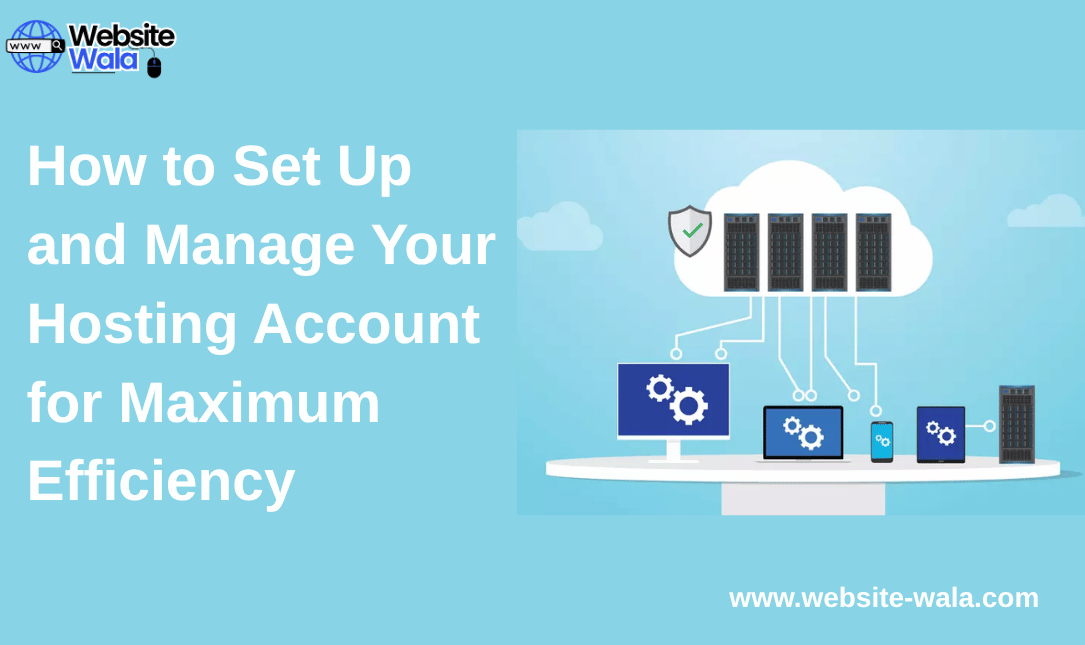
Learn How to Set Up and Manage Your Hosting Account for Maximum Efficiency with expert hosting tips, tricks, and best practices for optimal performance.
How to Set Up and Manage Your Hosting Account for Maximum Efficiency
If you’ve just purchased a hosting plan or want to make your existing setup more effective, understanding How to Set Up and Manage Your Hosting Account for Maximum Efficiency is essential. A well-configured hosting account not only improves website performance but also enhances security, uptime, and scalability. Whether you’re a beginner or a seasoned webmaster, this guide covers every step you need to optimize your hosting experience.
Understanding the Basics of a Hosting Account
Before diving into How to Set Up and Manage Your Hosting Account for Maximum Efficiency, it’s important to understand what a hosting account is. Your hosting account is the digital space where your website files, databases, and email accounts are stored. It’s the backbone of your online presence and directly affects how fast and securely your site operates.
To achieve hosting efficiency, you need to select the right plan, configure it correctly, and continuously monitor and maintain it for peak performance.
Step 1: Choose the Right Hosting Plan
The first step in How to Set Up and Manage Your Hosting Account for Maximum Efficiency is choosing the appropriate hosting plan. Selecting the wrong plan can limit your site’s performance and scalability.
Here’s how to choose a hosting plan wisely:
-
Understand Your Website Needs – Determine the amount of traffic you expect, the type of content you host (static or dynamic), and your budget.
-
Compare Hosting Types – Shared, VPS, Cloud, and Dedicated hosting each offer different levels of control and resources.
-
Check Performance Guarantees – Look for providers with high uptime (99.9% or higher) and fast server response times.
-
Review Scalability Options – Make sure your provider allows you to upgrade resources as your site grows.
By carefully selecting your hosting plan, you lay the foundation for optimal hosting management and long-term efficiency.
Step 2: Set Up Your Hosting Account Properly
Once you’ve chosen your hosting provider, the next step is to set up your hosting account correctly. This setup determines how well your site will perform.
Here’s a checklist to help you configure your account efficiently:
-
Register Your Domain – Either register a new domain or connect an existing one to your hosting provider.
-
Update DNS Settings – Point your domain’s nameservers to your hosting provider to make your website accessible online.
-
Install a CMS – Use tools like WordPress, Joomla, or Drupal for easy website management.
-
Create Email Accounts – Set up professional email addresses using your domain name.
-
Set Up SSL Certificates – Security is a core part of hosting best practices. Always install an SSL certificate to encrypt data.
Completing these initial tasks ensures a secure and optimized environment, key to How to Set Up and Manage Your Hosting Account for Maximum Efficiency.
Step 3: Optimize Hosting Performance
Once your hosting account is up and running, it’s time to focus on how to optimize hosting performance. Fast-loading websites not only improve user experience but also rank better in search engines.
Proven Hosting Tips and Tricks for Better Performance:
-
Enable Caching – Reduce server load by storing frequently accessed data temporarily.
-
Use a Content Delivery Network (CDN) – A CDN distributes your content across global servers for faster access.
-
Compress Files and Images – Minimize file sizes to improve loading times without compromising quality.
-
Upgrade PHP and MySQL Versions – Always run the latest versions to enhance speed and security.
-
Monitor Resource Usage – Use your hosting dashboard to track CPU, RAM, and bandwidth usage.
Implementing these hosting tricks can significantly enhance hosting efficiency and ensure your site operates at top speed.
Step 4: Strengthen Hosting Security
Security is a vital element in How to Set Up and Manage Your Hosting Account for Maximum Efficiency. Without proper protection, your website is vulnerable to hacks, data breaches, and malware.
Essential Hosting Security Practices:
-
Use Strong Passwords – Avoid common or weak passwords for your cPanel, FTP, and email accounts.
-
Enable Two-Factor Authentication (2FA) – Adds an extra layer of protection for login attempts.
-
Regular Backups – Automate backups to ensure you can restore your website quickly in case of data loss.
-
Install Firewalls and Malware Scanners – Detect and block malicious activities before they affect your website.
-
Keep Software Updated – Outdated plugins and themes are a common entry point for hackers.
A secure hosting environment builds user trust and contributes directly to hosting management and efficiency.
Step 5: Manage Your Hosting Account for Ongoing Efficiency
Learning How to Set Up and Manage Your Hosting Account for Maximum Efficiency doesn’t end after setup. Continuous monitoring and optimization are crucial for sustained success.
Ongoing Hosting Management Strategies:
-
Monitor Uptime and Performance – Use tools like UptimeRobot or Pingdom to ensure your site remains online.
-
Clean Up Unused Files and Databases – Delete outdated backups, themes, or plugins that consume resources.
-
Update Regularly – Keep your CMS, plugins, and themes updated to avoid compatibility and security issues.
-
Optimize Database – Use optimization plugins or database tools to remove unnecessary data and speed up queries.
-
Review Hosting Reports – Most hosting dashboards provide performance and traffic reports. Use these insights to make data-driven decisions.
Effective hosting maintenance guarantees your site continues to perform efficiently as traffic and content grow.
Step 6: Implement Hosting Best Practices
To truly master How to Set Up and Manage Your Hosting Account for Maximum Efficiency, you need to adopt consistent hosting best practices. These techniques ensure your setup remains streamlined and reliable.
-
Use Staging Environments – Test updates or new features in a staging area before applying them live.
-
Automate Tasks – Set up automatic backups, updates, and scans to save time and reduce human error.
-
Leverage Server-Side Tools – Use control panel utilities like cPanel or Plesk for easy hosting management.
-
Optimize Email Hosting – Set limits on email storage and use spam filters for better efficiency.
-
Regularly Review Your Hosting Plan – As your business grows, reassess whether your current plan still meets your needs.
Following these hosting tips ensures you’re always prepared to handle new challenges without compromising hosting performance.
Step 7: When to Upgrade or Migrate Your Hosting
Even with the best optimization efforts, you may eventually outgrow your existing hosting setup. Recognizing when to upgrade or migrate is part of How to Set Up and Manage Your Hosting Account for Maximum Efficiency.
Consider upgrading if you experience:
-
Slow load times during peak traffic.
-
Frequent downtime or resource limits.
-
Increased database or storage demands.
-
The need for more control or customization.
Switching to a more advanced hosting plan—like VPS or dedicated hosting—can provide the additional resources needed for continued hosting efficiency.
Final Thoughts
Mastering How to Set Up and Manage Your Hosting Account for Maximum Efficiency requires a balance of technical setup, security, optimization, and continuous maintenance. By choosing the right plan, implementing proven hosting tips and tricks, and prioritizing hosting security and performance, you can ensure your website operates smoothly and efficiently.