Build Your Dream Website – with Website Wala



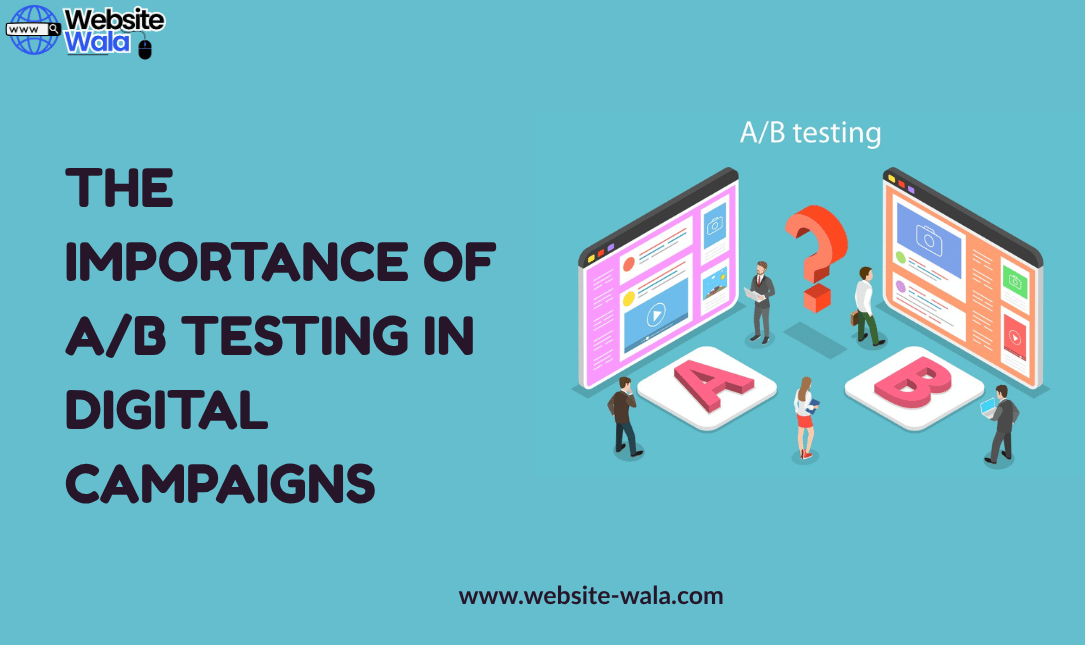
Discover The Importance of A/B Testing in Digital Campaigns and how experimentation improves conversion rates, ROI, and marketing strategies for online success.
The Importance of A/B Testing in Digital Campaigns
In today’s fast-paced world of digital marketing, standing out from the competition requires more than creativity—it demands data-driven decisions. One of the most effective ways to make those decisions is through A/B testing. Understanding The Importance of A/B Testing in Digital Campaigns helps marketers fine-tune their marketing strategies, enhance user engagement, and maximize ROI. This approach ensures that every element of your digital campaigns works together for optimal campaign performance and long-term success.
What Is A/B Testing in Digital Campaigns?
Before exploring The Importance of A/B Testing in Digital Campaigns, it’s essential to understand what A/B testing actually is. A/B testing, also known as split testing, is an experimentation method that compares two versions of a digital element—such as an ad, email, or webpage—to determine which performs better.
For example, you might create two different ad headlines or call-to-action buttons. By showing each version to a different segment of your audience, you can analyze which one drives more clicks, conversions, or engagement. This process helps marketers identify which testing variables—like color schemes, messaging, or layout—have the greatest impact on conversion rates and user engagement.
Why Understanding The Importance of A/B Testing in Digital Campaigns Matters
Recognizing The Importance of A/B Testing in Digital Campaigns is crucial because it takes the guesswork out of marketing. Rather than relying on assumptions or intuition, marketers can use real-world data to guide decisions. This evidence-based approach leads to better optimization and improved campaign performance across all channels of digital marketing.
Here’s why A/B testing is indispensable in modern online advertising:
-
Data Over Opinion – Every marketer has creative ideas, but without data, it’s impossible to know which ideas resonate with the audience. A/B testing validates your assumptions using measurable results.
-
Improved Conversion Rates – By continuously testing headlines, visuals, and calls to action, marketers can identify the most effective combinations that increase conversion rates.
-
Enhanced User Engagement – Even small tweaks in design or content can lead to significant improvements in user engagement, such as higher click-through rates or longer time on page.
-
Higher ROI – A/B testing helps allocate budget and resources toward what works best, thereby increasing ROI and maximizing every marketing dollar spent.
-
Continuous Optimization – The process of experimentation doesn’t end with one test. Successful marketers constantly refine their digital campaigns to stay ahead of market trends.
Key Elements to Test in Digital Campaigns
Understanding The Importance of A/B Testing in Digital Campaigns also means knowing which elements can be tested to improve outcomes. The beauty of A/B testing lies in its versatility—you can test nearly any aspect of your digital marketing assets. Here are a few essential testing variables:
-
Headlines and Titles: The first thing users see can significantly impact engagement. Try different tones or keywords.
-
Call-to-Action (CTA) Buttons: Adjusting color, size, or wording can increase conversion rates.
-
Images and Visuals: Testing various images can reveal which visuals generate better user engagement.
-
Landing Page Layouts: Experiment with content placement, forms, or testimonials to enhance campaign performance.
-
Ad Copy: Different wording can evoke different emotions or actions, impacting online advertising success.
-
Email Subject Lines: A/B testing can help determine which subject lines yield higher open and click-through rates.
Each of these elements plays a role in optimizing digital campaigns, ensuring your message resonates effectively with your target audience.
How A/B Testing Improves Marketing Strategies
One of the main reasons behind The Importance of A/B Testing in Digital Campaigns is its ability to strengthen overall marketing strategies. When marketers consistently test and optimize campaign elements, they gain a deeper understanding of audience behavior.
Here’s how A/B testing enhances your strategy:
-
Identifies Audience Preferences: By comparing versions, you discover what appeals most to your target market.
-
Supports Data-Driven Decisions: Instead of guessing, marketers rely on solid data for future campaigns.
-
Improves Budget Allocation: Knowing what works allows you to invest more confidently in high-performing ads.
-
Boosts Long-Term Success: Continuous testing and optimization create a culture of experimentation, which keeps campaigns fresh and effective.
These insights directly translate into stronger digital marketing strategies that deliver measurable success.
The Role of Experimentation in Digital Campaign Optimization
The Importance of A/B Testing in Digital Campaigns cannot be overstated when discussing experimentation and optimization. Experimentation allows marketers to challenge assumptions, uncover new opportunities, and continually refine their campaigns for peak performance.
In online advertising, even minor adjustments can lead to major improvements. For instance, changing a single headline or adjusting button placement can increase conversion rates dramatically. Without experimentation, these opportunities for improvement might remain undiscovered.
A culture of testing also fosters innovation. Teams that regularly test and iterate are more agile, responsive, and adaptable to changes in consumer behavior or market trends. This mindset ensures that digital campaigns remain effective and competitive.
Measuring the Success of A/B Testing
To fully appreciate The Importance of A/B Testing in Digital Campaigns, marketers must understand how to measure success. Success isn’t only about one version outperforming another—it’s about interpreting results to make informed data-driven decisions.
Key metrics to evaluate include:
-
Conversion Rates: Are more users completing desired actions, such as signing up or purchasing?
-
Click-Through Rates (CTR): Which variation encourages more clicks?
-
Engagement Metrics: Do users spend more time on the tested page or interact more with content?
-
Bounce Rates: Has the new version reduced immediate exits from the page?
-
Return on Investment (ROI): Is the campaign generating more revenue or leads for the same budget?
By tracking these metrics, marketers can quantify the impact of A/B testing and prove the tangible benefits of campaign optimization.
Common Mistakes to Avoid in A/B Testing
While The Importance of A/B Testing in Digital Campaigns is clear, improper testing can lead to misleading results. Here are common pitfalls to avoid:
-
Testing Too Many Variables at Once: Stick to one or two testing variables to isolate results accurately.
-
Ending Tests Too Early: Allow enough time to gather meaningful data before drawing conclusions.
-
Ignoring Statistical Significance: Don’t make decisions until results reach statistical confidence.
-
Failing to Document Results: Keep detailed records for future reference and continuous optimization.
-
Neglecting Audience Segmentation: Different audiences may respond differently; segment data for deeper insight.
Avoiding these mistakes ensures that your digital campaigns benefit from valid, actionable insights.
Conclusion: Embracing The Importance of A/B Testing in Digital Campaigns
In summary, The Importance of A/B Testing in Digital Campaigns lies in its power to transform marketing from guesswork into precision. By leveraging experimentation and data-driven decisions, marketers can fine-tune their digital campaigns, enhance user engagement, and improve conversion rates for better ROI.
A/B testing is not a one-time effort—it’s an ongoing process of learning, adapting, and improving. Businesses that commit to consistent testing and optimization are the ones that achieve sustainable success in an ever-evolving digital marketing landscape.