Build Your Dream Website – with Website Wala



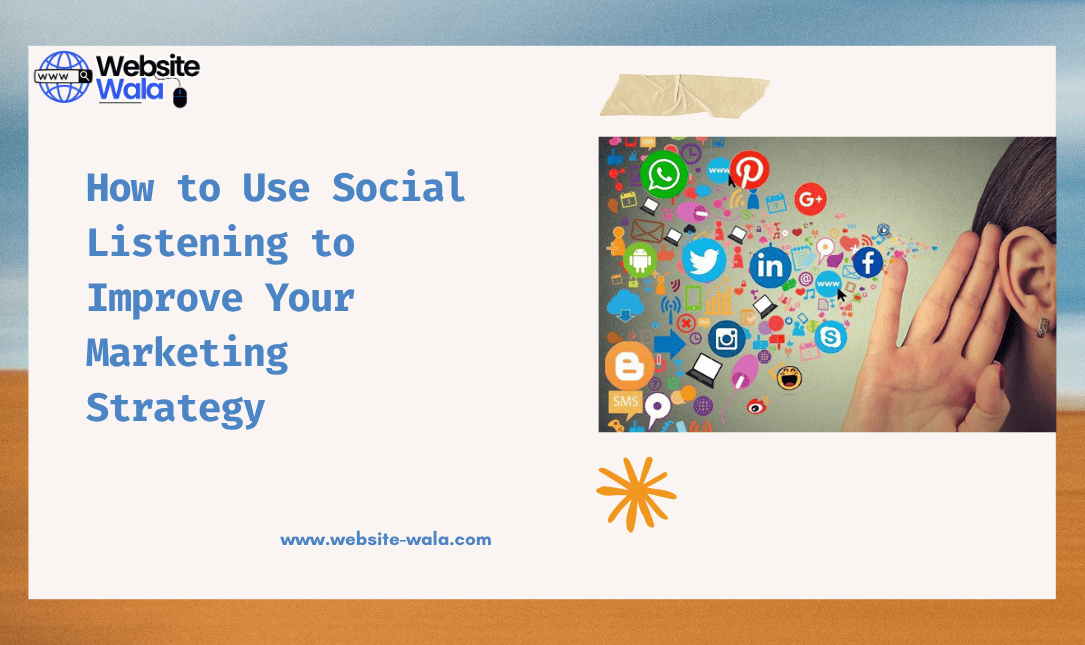
Discover How to Use Social Listening to Improve Your Marketing Strategy, enhance customer engagement, and boost brand reputation effectively.
Introduction: The Power of Social Listening in Modern Marketing
In today’s digital marketing landscape, understanding your audience is more important than ever. Brands that know what their customers think, feel, and say online gain a significant competitive edge. That’s where social listening comes in. Learning How to Use Social Listening to Improve Your Marketing Strategy helps marketers uncover valuable insights, enhance customer engagement, and build a stronger online presence.
Social listening goes beyond tracking mentions — it’s about analyzing conversations, sentiment, and trends across social media platforms. By doing so, you can better align your marketing strategy with real-time consumer behavior and audience feedback.
What Is Social Listening?
Before diving into How to Use Social Listening to Improve Your Marketing Strategy, it’s essential to understand what social listening actually means. Social listening is the process of monitoring digital conversations to understand what customers are saying about your brand, competitors, and industry.
Unlike social monitoring, which focuses on tracking mentions or tags, social listening takes a more analytical approach. It evaluates customer sentiment, identifies emerging trends, and provides actionable insights that help shape your marketing strategy.
For instance, when customers express dissatisfaction about a product feature, social listening tools can capture these mentions, analyze the tone, and alert your team to take action. This kind of data-driven awareness is invaluable for brand optimization and improving customer experience.
Why Social Listening Matters in Marketing
Implementing How to Use Social Listening to Improve Your Marketing Strategy is crucial for businesses aiming to remain competitive. Social listening provides real-time insights into audience behavior, allowing brands to react swiftly and strategically. Here’s why it’s so important:
-
Improves Customer Engagement:
By understanding what your audience is talking about, you can join conversations naturally, offer helpful responses, and strengthen customer relationships. -
Enhances Brand Reputation:
Monitoring mentions and reviews helps you respond quickly to negative feedback, protect your image, and show that your brand values audience feedback. -
Informs Product Development:
Social listening reveals what customers love — and what they don’t — about your products. This insight can guide new product launches or updates. -
Optimizes Marketing Campaigns:
When you understand consumer behavior and trends, you can craft campaigns that resonate with your target audience, increasing engagement and ROI.
Step-by-Step Guide: How to Use Social Listening to Improve Your Marketing Strategy
Here’s a practical breakdown of How to Use Social Listening to Improve Your Marketing Strategy effectively:
1. Define Your Goals
Start by identifying what you want to achieve. Are you trying to monitor brand reputation, discover audience sentiment, or identify new market opportunities? Setting clear goals helps you focus your efforts and measure success accurately.
2. Choose the Right Tools
There are numerous social listening tools available — such as Hootsuite, Sprout Social, and Brandwatch — that help collect and analyze data from various social media platforms. Select a tool that aligns with your marketing goals and budget.
3. Track Relevant Keywords and Hashtags
Use social monitoring to track specific keywords related to your brand, products, competitors, and industry. Monitoring hashtags helps uncover discussions within your niche and provides a clearer view of what your target audience values most.
4. Analyze Customer Sentiment
Understanding customer sentiment is central to How to Use Social Listening to Improve Your Marketing Strategy. Sentiment analysis helps you determine whether public perception of your brand is positive, negative, or neutral. This insight informs your communication tone and response strategy.
5. Engage with Your Audience in Real Time
Social listening allows you to respond promptly to audience feedback. Whether it’s thanking a customer for praise or addressing a complaint, timely engagement builds trust and enhances customer loyalty.
6. Identify Influencers and Advocates
Social listening tools can help identify influencers or brand advocates who are already engaging positively with your content. Collaborating with these individuals amplifies your online presence and improves brand credibility.
7. Monitor Competitors
A vital part of How to Use Social Listening to Improve Your Marketing Strategy is understanding your competition. Analyzing competitor mentions and customer sentiment provides valuable insights into what works — and what doesn’t — in your industry.
8. Adjust Your Strategy Based on Insights
Use the insights gathered from social listening to refine your digital marketing efforts. If you notice a growing trend, adjust your campaigns to align with it. If sentiment is declining, investigate and act fast to improve customer perception.
Using Social Listening to Enhance Brand Optimization
Social listening doesn’t just improve campaigns; it also drives long-term brand optimization. By consistently monitoring audience feedback and conversations, you can adapt your messaging and brand tone to match evolving consumer behavior.
For example, if customers frequently mention sustainability, incorporating eco-friendly initiatives into your marketing strategy can strengthen your brand reputation and appeal to conscious consumers.
Regular analysis ensures that your brand remains relevant and responsive, two essential qualities in a fast-paced digital marketing environment.
The Relationship Between Social Listening and Consumer Behavior
Understanding How to Use Social Listening to Improve Your Marketing Strategy gives you a direct window into consumer behavior. Every post, comment, or review reflects what your audience values, fears, and expects.
By studying patterns in these interactions, you can anticipate customer needs and make proactive business decisions. Whether it’s launching a new feature, improving a service, or changing your communication tone, social listening data ensures every decision is insight-driven.
Real-World Example: Successful Social Listening in Action
Consider a global coffee brand that uses social listening to track conversations about seasonal beverages. When customers express excitement over a specific flavor, the company increases production and launches social media promotions.
Simultaneously, when feedback suggests a negative experience — like a product running out — the brand responds quickly, acknowledges the issue, and improves future inventory planning.
This proactive approach demonstrates How to Use Social Listening to Improve Your Marketing Strategy to enhance customer engagement, improve brand reputation, and drive measurable results.
Common Mistakes to Avoid in Social Listening
While social listening is powerful, some common pitfalls can limit its effectiveness:
-
Ignoring Sentiment: Tracking mentions without analyzing tone provides incomplete insights.
-
Focusing Only on Your Brand: You must also listen to competitor and industry conversations.
-
Lack of Action: Insights are only valuable if you act on them.
-
Overlooking Non-Social Channels: Include forums, blogs, and review sites for a complete picture.
Avoiding these mistakes ensures your social listening strategy truly contributes to marketing success.
Conclusion: Turning Insights into Action
Mastering How to Use Social Listening to Improve Your Marketing Strategy transforms how your brand interacts with its audience. By continuously monitoring social media conversations, analyzing customer sentiment, and applying insights, you can build stronger relationships, protect your brand reputation, and drive growth.