Build Your Dream Website – with Website Wala



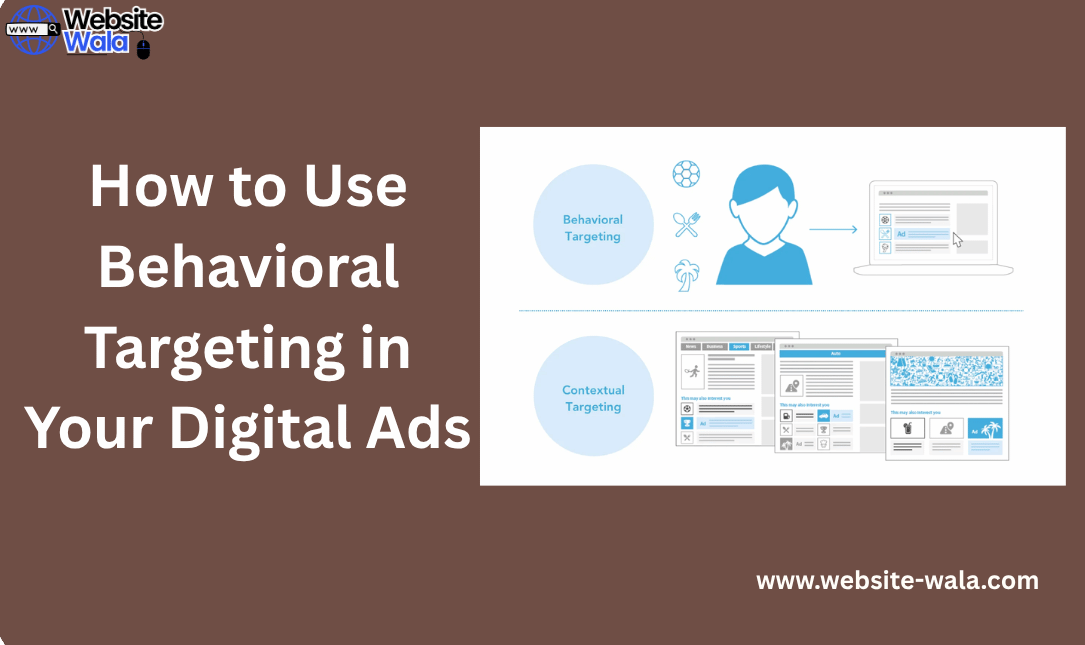
Learn How to Use Behavioral Targeting in Your Digital Ads to improve audience engagement, personalization, and maximize your digital advertising ROI.
How to Use Behavioral Targeting in Your Digital Ads
In today’s competitive digital landscape, understanding How to Use Behavioral Targeting in Your Digital Ads is crucial for marketers who want to reach the right audience with the right message. As consumer expectations evolve, behavioral targeting has become one of the most effective digital ad targeting techniques for creating personalized advertising experiences. This guide will explain the strategies, benefits, and best practices for implementing behavioral targeting to improve your digital advertising ROI and campaign performance.
What Is Behavioral Targeting?
Before diving into How to Use Behavioral Targeting in Your Digital Ads, it’s essential to understand what behavioral targeting means. Behavioral targeting is a digital advertising strategy that leverages behavioral data—such as users’ browsing history, search queries, purchase behavior, and engagement patterns—to deliver highly relevant ads.
Unlike demographic or geographic targeting, which focuses on who or where the user is, behavioral targeting focuses on what the user does online. By analyzing these actions, marketers can tailor ad content that aligns with the user’s interests and intent, leading to more targeted advertising and higher conversion rates.
Why Behavioral Targeting Matters in Digital Advertising
The shift from broad, one-size-fits-all campaigns to personalized advertising has transformed online marketing. Behavioral targeting allows brands to move beyond assumptions and base their messaging on real user behavior. This approach enhances audience engagement and drives measurable results.
Key benefits of using behavioral targeting include:
-
Improved relevance: Ads resonate better with users who have shown interest in similar products or services.
-
Higher click-through rates (CTR): Targeted ads typically outperform generic campaigns in engagement.
-
Better campaign optimization: Data-driven insights enable continual improvements in ad performance.
-
Increased digital advertising ROI: Efficient ad spend ensures that every dollar targets a high-intent audience.
Understanding How to Use Behavioral Targeting in Your Digital Ads helps you deliver content that not only attracts attention but also inspires action.
Step-by-Step Guide: How to Use Behavioral Targeting in Your Digital Ads
1. Collect and Analyze Behavioral Data
The first step in How to Use Behavioral Targeting in Your Digital Ads is to gather and analyze user data. This behavioral data can come from multiple sources, including website analytics, cookies, CRM systems, and social media interactions.
Important data points include:
-
Pages visited and time spent on site
-
Products viewed or added to cart
-
Search queries within your site
-
Email engagement patterns
By collecting this behavioral data, marketers can create a clearer picture of audience preferences and intent, which forms the foundation for audience segmentation and ad targeting strategies.
2. Segment Your Audience Based on Behavior
Audience segmentation is the cornerstone of behavioral targeting. Once you have sufficient data, divide users into groups based on similar actions, such as frequent visitors, cart abandoners, or content readers.
For example:
-
Returning visitors might see ads for loyalty discounts.
-
Cart abandoners could receive personalized reminders or limited-time offers.
-
Content consumers might be shown related blog posts or product tutorials.
Segmenting audiences ensures that your ads remain relevant and timely, boosting audience engagement and conversion potential.
3. Craft Personalized Ad Messages
Learning How to Use Behavioral Targeting in Your Digital Ads also means mastering ad personalization. Personalized advertising relies on matching ad creatives, copy, and calls-to-action to user interests and behavior.
Examples include:
-
Showing ads for products users have previously browsed.
-
Retargeting users who watched a specific video with related offers.
-
Using dynamic creative optimization to adapt messages in real time.
Personalization is one of the most effective digital marketing tactics for building trust and nurturing long-term customer relationships.
4. Choose the Right Digital Advertising Platforms
Each platform offers unique tools for behavioral targeting. For instance:
-
Google Ads allows remarketing lists and in-market audience targeting.
-
Meta Ads (Facebook and Instagram) use pixel data to target users who interact with your brand.
-
LinkedIn Ads enable professional-level audience targeting based on user behavior and interests.
Selecting the right platform for your audience and objectives is vital in How to Use Behavioral Targeting in Your Digital Ads.
5. Implement Continuous Campaign Optimization
Behavioral targeting is not a one-time setup. Regular campaign optimization ensures that your ad targeting strategies stay relevant and effective.
Here are a few optimization practices:
-
A/B test different ad creatives and messages.
-
Monitor engagement metrics like CTR and conversion rates.
-
Update audience segmentation as behavior trends shift.
-
Exclude uninterested users to refine targeting.
By continuously refining your campaigns, you maintain high digital advertising ROI and ensure your ads deliver consistent value.
Advertising Best Practices for Behavioral Targeting
When implementing How to Use Behavioral Targeting in Your Digital Ads, follow these advertising best practices to ensure compliance, relevance, and effectiveness:
-
Respect privacy regulations. Always comply with data protection laws like GDPR and CCPA. Provide clear opt-in options and explain how behavioral data is used.
-
Avoid over-targeting. Showing the same ad repeatedly can cause ad fatigue. Maintain frequency caps to preserve positive user experiences.
-
Keep content fresh. Update creatives regularly to match audience interests and seasonal trends.
-
Integrate behavioral targeting with other digital marketing tactics. Combine with demographic, contextual, or geographic targeting for comprehensive reach.
-
Measure results and iterate. Use analytics to determine what works and continuously fine-tune your approach.
By adhering to these advertising best practices, you’ll build a transparent, user-centric strategy that fosters long-term engagement and trust.
The Future of Behavioral Targeting in Online Marketing
As technology evolves, behavioral targeting will become even more advanced. AI and machine learning are making it easier to analyze complex user patterns, predict future behavior, and deliver hyper-relevant ads in real time.
Marketers who understand How to Use Behavioral Targeting in Your Digital Ads will be better positioned to adapt to privacy-first advertising environments while maintaining high levels of personalization and audience engagement.
Expect future innovations to focus on:
-
Predictive targeting: Forecasting user intent based on historical behavior.
-
Cross-device tracking: Delivering consistent ad experiences across platforms.
-
AI-powered segmentation: Automating audience targeting for maximum accuracy.
These advancements will redefine how digital advertising connects brands and consumers, driving improved digital advertising ROI through smarter, data-driven insights.
Final Thoughts: Mastering How to Use Behavioral Targeting in Your Digital Ads
Mastering How to Use Behavioral Targeting in Your Digital Ads is about understanding your audience, leveraging behavioral data, and delivering messages that resonate on a personal level. By applying effective ad targeting strategies, marketers can create campaigns that drive engagement, boost conversions, and enhance the overall efficiency of their online marketing efforts.
With thoughtful campaign optimization and adherence to advertising best practices, behavioral targeting can transform your digital advertising from a guessing game into a precise science. Whether your goal is to increase sales, build loyalty, or improve audience engagement, implementing behavioral targeting is one of the most impactful digital marketing tactics available today.