Build Your Dream Website – with Website Wala



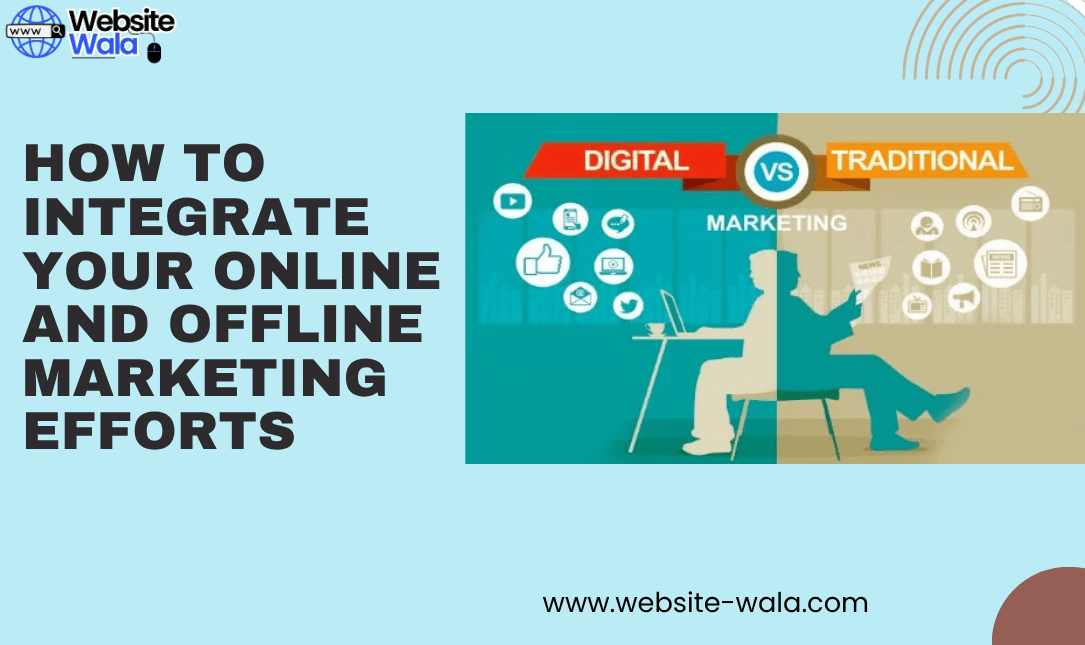
Learn How to Integrate Your Online and Offline Marketing Efforts effectively to create a seamless customer journey, boost engagement, and strengthen your brand.
How to Integrate Your Online and Offline Marketing Efforts
In today’s fast-paced marketing world, brands can no longer rely solely on one channel to connect with their audience. The lines between online marketing and offline marketing have blurred, giving rise to integrated marketing approaches that unify both realms. Understanding How to Integrate Your Online and Offline Marketing Efforts is essential for creating a cohesive customer experience, driving engagement, and maximizing return on investment.
This comprehensive guide explores the strategies, tools, and best practices you can use to seamlessly merge your digital and traditional marketing initiatives into one powerful omnichannel marketing strategy.
Why You Should Integrate Online and Offline Marketing
Learning How to Integrate Your Online and Offline Marketing Efforts isn’t just about efficiency—it’s about synergy. When your digital marketing and traditional marketing campaigns work in harmony, they reinforce each other’s strengths.
For instance, a consumer might see your print advertising in a magazine and later engage with your social media marketing campaign online. By connecting these touchpoints, you create a unified brand message that resonates across all channels. This not only enhances customer engagement but also builds stronger branding consistency.
Benefits of Integrated Marketing:
-
Consistent Brand Messaging: Reinforce your values across every channel.
-
Enhanced Reach: Tap into audiences both online and offline.
-
Improved Data Insights: Track behavior across platforms for better marketing strategy decisions.
-
Increased Conversions: Guide consumers from awareness to purchase through cross-channel marketing.
Step 1: Align Your Brand Message
The first step in mastering How to Integrate Your Online and Offline Marketing Efforts is ensuring message consistency. Whether your customer sees a digital advertisement or a billboard, they should instantly recognize your brand tone, visuals, and core message.
-
Use the same logo, color palette, and typography across channels.
-
Maintain a unified brand voice in your content, emails, and print advertising.
-
Sync messaging calendars so online promotions align with offline events or product launches.
When your message remains consistent, your brand gains trust and recognition, essential components for multichannel marketing success.
Step 2: Use Data to Connect Online and Offline Touchpoints
Data is at the heart of effective integrated marketing. By leveraging analytics tools, you can identify how offline interactions influence online behaviors—and vice versa.
Examples:
-
Use unique discount codes in print advertising or direct mail that customers redeem online.
-
Track website visits generated from offline QR codes or event sign-ups.
-
Analyze purchase patterns to understand how digital advertising complements in-store sales.
Understanding these interactions helps you refine How to Integrate Your Online and Offline Marketing Efforts to create more seamless customer experiences.
Step 3: Combine Events with Digital Engagement
One of the most effective online-to-offline marketing techniques is blending live events with digital promotion. For example:
-
Host an in-person event and encourage attendees to post photos with branded hashtags.
-
Stream product launches online to reach global audiences.
-
Use social media marketing to drive attendance at physical locations.
By bridging real-world interactions with digital engagement, you build lasting relationships and extend your campaign’s reach beyond traditional boundaries.
Step 4: Leverage Technology to Sync Campaigns
Technology plays a crucial role in How to Integrate Your Online and Offline Marketing Efforts. Tools like CRM software, marketing automation platforms, and data analytics solutions allow seamless communication between your digital and physical channels.
Key Tools:
-
Customer Relationship Management (CRM) systems to unify customer data.
-
Marketing Automation tools for consistent messaging across email, SMS, and print.
-
Analytics Platforms to measure both online and offline conversions.
Such technologies help marketers implement effective omnichannel marketing and ensure customers receive relevant, timely messages no matter where they interact with the brand.
Step 5: Encourage Offline Customers to Go Online
A strong marketing strategy should also guide offline audiences toward your digital channels. For example, include your social handles or website URL in all print advertising, packaging, or point-of-sale materials.
Practical Tips:
-
Add QR codes linking to your website, promotions, or videos.
-
Offer online-only loyalty programs or discounts.
-
Encourage reviews on social media or Google after in-store purchases.
These tactics strengthen cross-channel marketing, making it easy for offline audiences to engage digitally.
Step 6: Use Retargeting to Bridge the Gap
Retargeting is a powerful digital marketing technique that enhances online-to-offline marketing. Suppose a customer visits your store but doesn’t make a purchase. If they later browse your website or interact with your ads online, you can re-engage them with tailored offers.
Retargeting Strategies:
-
Use geofencing ads to reach users who visited your physical locations.
-
Send personalized emails or digital ads based on offline behaviors.
-
Utilize loyalty program data for custom promotions.
This level of personalization strengthens your customer engagement and increases conversion rates by keeping your brand top-of-mind.
Step 7: Measure and Optimize Across Channels
To truly master How to Integrate Your Online and Offline Marketing Efforts, you must measure the performance of both channels together. Traditional metrics like impressions or foot traffic should align with digital KPIs such as click-through rates and conversions.
Key Performance Metrics:
-
Website traffic from offline sources.
-
Coupon redemptions and event attendance.
-
Social media engagement related to offline campaigns.
-
Sales growth resulting from integrated efforts.
Regularly review data to fine-tune your integrated marketing campaigns, ensuring optimal results across every platform.
Real-World Example: Nike’s Integrated Marketing Approach
A standout example of How to Integrate Your Online and Offline Marketing Efforts is Nike. The brand masterfully merges digital marketing with traditional marketing through its apps, social campaigns, and retail experiences. Their stores serve as both shopping spaces and engagement hubs where customers can interact with digital elements like personalized screens and mobile checkout options.
Nike’s omnichannel marketing strategy demonstrates how consistency and innovation can enhance brand loyalty and customer engagement.
The Future of Integrated Marketing
As technology evolves, understanding How to Integrate Your Online and Offline Marketing Efforts will become even more vital. Artificial intelligence, augmented reality, and predictive analytics are revolutionizing cross-channel marketing, allowing brands to anticipate customer needs before they’re even expressed.
Future-focused marketers will not only blend online and offline efforts but also create immersive, personalized experiences that foster deep emotional connections with customers.
Conclusion: Create a Unified Brand Experience
Mastering How to Integrate Your Online and Offline Marketing Efforts is about more than simply merging tactics—it’s about building a seamless customer journey that reflects your brand’s identity at every touchpoint. By aligning messaging, leveraging technology, and continuously optimizing your campaigns, you can create a powerful integrated marketing ecosystem.
Whether through social media marketing, print advertising, or live events, the ultimate goal is to engage customers wherever they are and deliver consistent, value-driven experiences. In a world where boundaries between online marketing and offline marketing continue to blur, integration is no longer optional—it’s the cornerstone of modern marketing strategy success.