Build Your Dream Website – with Website Wala



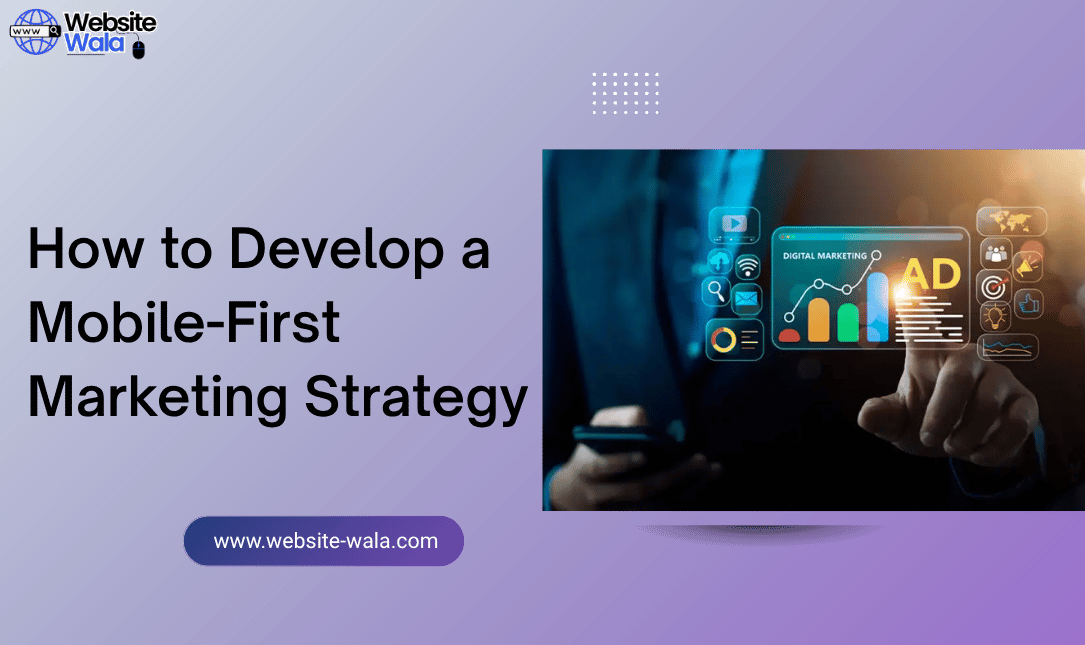
Learn How to Develop a Mobile-First Marketing Strategy to boost engagement, conversions, and customer loyalty with mobile optimization and analytics.
How to Develop a Mobile-First Marketing Strategy: A Complete Guide for 2025
In today’s hyperconnected digital world, smartphones are no longer an accessory—they’re a necessity. As users spend more time on mobile devices than ever before, brands that prioritize a mobile-first marketing approach are the ones winning consumer attention and loyalty. If you’re wondering How to Develop a Mobile-First Marketing Strategy that truly drives results, this guide will walk you through every crucial step.
What Is a Mobile-First Marketing Strategy?
Before diving into How to Develop a Mobile-First Marketing Strategy, it’s essential to understand what it means. A mobile-first marketing strategy prioritizes the mobile user experience above all else. Instead of designing for desktop and later adapting for mobile, this approach starts with mobile optimization—from website design and content delivery to advertising and analytics.
Essentially, mobile-first marketing ensures your brand communicates effectively with consumers where they spend most of their time—on their smartphones.
Why Mobile-First Marketing Matters in 2025
Understanding How to Develop a Mobile-First Marketing Strategy starts with recognizing why it’s essential. As of 2025, over 70% of all web traffic comes from mobile devices. Consumers browse, shop, and interact with brands primarily through apps, social media, and mobile browsers.
Here’s why mobile-first marketing is crucial:
-
Increased mobile engagement: People check their phones over 100 times a day, offering brands countless touchpoints.
-
Higher mobile conversions: A well-optimized mobile experience leads to better click-through rates and conversions.
-
Improved SEO: Google prioritizes mobile-optimized websites in its rankings, making mobile SEO a must.
-
Personalized targeting: Mobile data allows for precise mobile targeting and audience segmentation.
By implementing mobile optimization across all platforms, brands can enhance the mobile user experience and maximize ROI.
Step 1: Understand Your Mobile Audience
The first step in How to Develop a Mobile-First Marketing Strategy is knowing who your audience is and how they behave on mobile devices. Analyze demographic data, browsing patterns, and preferred platforms using mobile analytics tools like Google Analytics 4 or Mixpanel.
Ask yourself:
-
What devices does my audience use most?
-
Which apps or platforms drive the highest engagement?
-
When are users most active on mobile?
These insights will shape your mobile marketing strategy and help you tailor campaigns for maximum impact.
Step 2: Prioritize Mobile Optimization
A strong mobile-first marketing approach starts with seamless mobile optimization. Your website must load quickly, display properly on all screen sizes, and provide intuitive navigation.
Tips for better mobile optimization:
-
Use responsive design to adapt layouts across devices.
-
Minimize page load times by compressing images and leveraging caching.
-
Ensure buttons and CTAs are easily tappable on small screens.
-
Simplify forms and checkout processes for faster mobile conversions.
Google’s Core Web Vitals also measure mobile performance—so optimizing your site enhances both mobile SEO and user satisfaction.
Step 3: Design for the Mobile User Experience
When learning How to Develop a Mobile-First Marketing Strategy, remember that design plays a pivotal role. The mobile user experience (UX) determines whether visitors stay or bounce.
Focus on:
-
Readable content: Use concise headlines and clear typography.
-
Interactive elements: Incorporate clickable menus, sliders, and videos optimized for touch.
-
Accessibility: Design with all users in mind—use high contrast, simple layouts, and alt text for images.
An outstanding mobile user experience keeps audiences engaged, encouraging repeat visits and brand loyalty.
Step 4: Leverage Mobile Advertising and Targeting
A key part of How to Develop a Mobile-First Marketing Strategy involves reaching your audience through effective mobile advertising. Use mobile targeting techniques like location-based ads, in-app promotions, and social media campaigns.
Popular mobile advertising channels:
-
Google Ads & Meta Ads: Ideal for mobile conversions and brand awareness.
-
In-app ads: Perfect for gaming and lifestyle apps.
-
Mobile video ads: Engage audiences on YouTube, TikTok, or Instagram.
Personalized, data-driven mobile targeting increases relevance and reduces wasted ad spend.
Step 5: Utilize SMS Marketing and Mobile Push Notifications
Direct communication remains one of the most effective tactics in mobile-first marketing. SMS marketing and mobile push notifications allow brands to reach users instantly.
Best practices:
-
Send timely, relevant messages with exclusive offers.
-
Keep messages short and action-oriented.
-
Respect privacy—get explicit user consent before sending notifications.
These tools enhance mobile engagement by keeping your brand top of mind.
Step 6: Invest in Mobile App Marketing
If your business has a mobile app, mobile app marketing is an essential component of How to Develop a Mobile-First Marketing Strategy. Promote your app through multiple channels, encourage downloads, and boost retention through personalized experiences.
Effective mobile app marketing tactics:
-
Offer incentives for app installs and referrals.
-
Use mobile push notifications to re-engage users.
-
Optimize your App Store and Google Play listings with relevant keywords.
An engaging app experience builds customer loyalty and supports long-term mobile engagement.
Step 7: Optimize for Mobile SEO
Search visibility is vital for mobile success. Mobile SEO ensures your content ranks well in Google’s mobile-first index.
Mobile SEO strategies include:
-
Prioritizing fast load speeds.
-
Using schema markup for rich snippets.
-
Ensuring mobile-friendly URL structures.
-
Avoiding intrusive pop-ups that block content.
When executed properly, mobile SEO drives organic traffic, helping your brand stay visible across all devices.
Step 8: Track Results with Mobile Analytics
No mobile marketing strategy is complete without measurement. Mobile analytics tools track engagement, conversion paths, and user behavior across devices.
Key metrics to monitor:
-
Bounce rate and session duration
-
Conversion rates by device
-
App installs and retention
-
Click-through rates for mobile advertising
By analyzing this data, you can refine campaigns, improve targeting, and strengthen your mobile-first marketing approach.
Step 9: Stay Ahead of Mobile Trends
Mobile technology evolves rapidly. To stay competitive, continuously monitor mobile trends such as AI personalization, voice search, 5G experiences, and augmented reality ads.
By adapting to new mobile trends, your brand remains innovative and future-ready.
Common Mistakes to Avoid in a Mobile-First Marketing Strategy
When implementing How to Develop a Mobile-First Marketing Strategy, avoid these pitfalls:
-
Ignoring mobile load speed
-
Failing to optimize for mobile SEO
-
Overusing mobile push notifications
-
Neglecting cross-platform consistency
-
Not testing campaigns across different devices
Avoiding these errors ensures your mobile marketing strategy performs smoothly and sustainably.
Conclusion: The Future Belongs to Mobile-First Brands
Learning How to Develop a Mobile-First Marketing Strategy is no longer optional—it’s essential for business growth. By focusing on mobile optimization, responsive design, and mobile engagement, you can deliver a superior mobile user experience that drives mobile conversions and builds long-term loyalty.
With a data-driven approach powered by mobile analytics and fueled by the latest mobile trends, your brand will thrive in the ever-evolving digital landscape. The sooner you implement a comprehensive mobile-first marketing strategy, the sooner you’ll connect with customers where they truly live—on their mobile devices.